
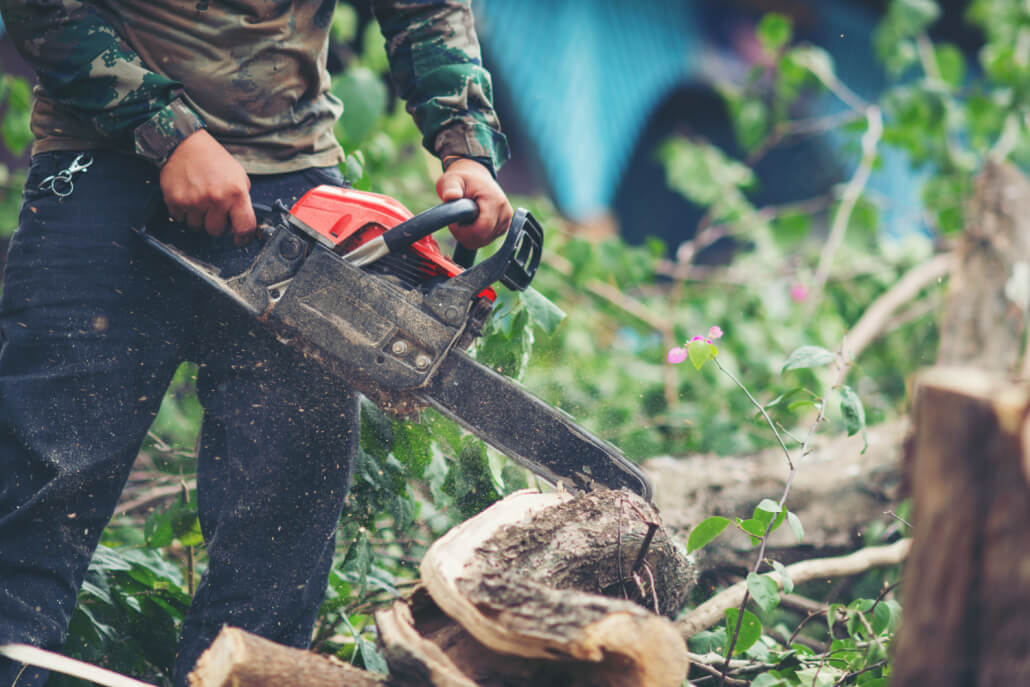
How Tree Lopping in Capalaba Keeps Large Branches Safe
Capalaba has no shortage of tall trees lining streets and backyards, and while they’re a lovely part of the local look, they can also bring risk. Thick branches stretch wide, and in Queensland’s hot summers, that extra growth can get heavy fast. Without care, these large limbs can become a real hazard.
Tree lopping in Capalaba is more than a tidy-up. It’s a way to stay ahead of the damage these branches can cause when storms kick up. For homeowners and property managers, it’s worth knowing how proper lopping can protect structures, people, and the trees themselves. As we move deeper into summer, let’s look at how this work helps keep canopies strong and safe.
Understanding the Risks of Heavy Branches
Queensland’s climate helps trees grow fast, but when growth isn’t trimmed back, it can lead to trouble. Big branches start to stretch wider than the trunk can hold up. The more unbalanced things get, the easier it is for a single storm to bring parts crashing down.
- In high winds, overgrown limbs can snap, especially if they’re dead or starting to split
- Falling branches often hit roofs, smash cars, or tear down fencing
- Paths, outdoor seating areas, and even play spaces can turn into risk zones during summer storms
Even the type of tree matters. Some species grow up fast and out even faster. Without shaping, these top-heavy trees quickly become unstable and dangerous, especially in neighbourhoods where yards are smaller and trees are close together. Some homes are built just under the reach of the tallest trees, making it even more important to keep branches in check. A bit of extra growth can put an entire roof at risk when strong winds sweep through the area. Regular checks keep neighbours and surrounding properties comfortable too, so it’s not just about what grows within your fence line.
How Lopping Protects Trees and People
When we lop a tree properly, we aren’t just cutting random bits. The goal is balance and safety. Removing the right branches can stop a tree from leaning too far or crowding other structures. It also protects the tree itself from splitting further.
- Lopping takes off weight where it isn’t needed, helping the rest of the tree stay strong
- Dead, weak, or insect-damaged limbs get taken out before they drop unexpectedly
- We can shape the tree so it grows evenly, keeping it well away from rooftops, lights, and walkways
A well-lopped tree stays more compact, which makes it much more likely to handle Capalaba’s strong winds without problems. Lopping is also about guiding the tree’s future growth so it takes a safer and healthier shape. The tree becomes sturdier over time, creating less chance of emergency callouts after storms. It’s not just about removing the visible hazards, but about building up the tree’s main shape so it can support itself year after year. This attention to how the trunk and limbs hold their weight makes long-term maintenance easier and gives property owners peace of mind.
When is the Right Time to Lop Trees in Capalaba?
Timing matters just as much as technique with trees. We look to summer as a check-in point, especially in areas like Capalaba where December and January bring quick growth and sudden storms.
- Early summer is a smart time for spotting fast-growing branches that are beginning to stretch too far
- Late spring gives a chance to clear out weak limbs before seasonal rain triggers too much new growth
- Knowing what trees are common around Capalaba helps guide when to lop and how much to take off
Some trees react better to pruning early on, while others can be trimmed back in stages. A plan based on both timing and species helps avoid stress on the tree and gives it the best result, season after season. Understanding Capalaba’s local weather patterns helps as well. With summer storms and bursts of rain, trees can spike with new shoots or softer branches that aren’t as sturdy as older growth. By planning lopping for the right month, you reduce the chance of harming the tree or leaving it bare in the hottest conditions. Timing lopping also means you can see which branches are blocking out too much sun, shading garden beds or lawns, or getting in the way when your family uses the garden more in summer. Good timing supports both tree health and garden lifestyle.
Choosing Branches That Should Be Cut
We always take a good look at the whole structure of a tree before we make any cuts. Not all limbs are equal, and knowing what to lop (and what to leave) makes the difference between a safer yard and a damaged one.
- Cut branches that hang low over rooftops, powerlines, or walkways
- Tackle parts showing cracks, peeling bark, or signs of decay
- Thin out the crown centre to allow wind to pass through more evenly
- Remove limbs that rub together or have weak joins at odd angles
Each branch removed gives the stronger parts more room to grow properly. Healthy trees don’t just look better. They cope better with pressure from wind and weight. Sometimes, a problem starts small, like a split in the bark or a limb that doesn’t look quite right. Spotting these signs early lets you act before the tree is forced to shed branches in bad weather. By regularly checking on growing trees, you can act before limbs become a problem for anyone below. When the strong parts of the tree aren’t overburdened, they can focus energy on reaching up, making each season’s growth healthier and fuller.
How Professionals Make Lopping Safe and Tidy
Tree lopping isn’t something to take lightly. When done wrong, it can damage the tree or make things more dangerous later on. That’s why we treat each job with care from start to finish.
- We use safe, well-maintained equipment designed for tree height and thickness
- We lower large limbs using controlled methods, not guesswork
- Waste wood is either cleared away or turned into mulch that supports other garden beds
As a fully insured team, TPS Tree Services ensures professional and safe work on each site. Our staff are qualified arborists who can handle a range of large and small jobs, from shaping canopies to clearing storm-damaged branches. Working with the trees common in Brisbane suburbs like Capalaba means we know how they react to cuts and how much shaping is too much. Each move we make respects the future health of the tree and the safety of the space below it.
It also matters how tidy the work is. Lopping can leave a lot of debris if not managed, and large limbs need careful handling so they don’t damage garden beds or features on the way down. Professionals plan every step, from where to make the first cut to how to lower a branch safely. This planning protects the rest of the garden and makes clean-up quicker and easier. When done by trained hands, the garden is left in good order, and trees are set to flourish as the season changes.
A Safer Yard Starts with the Right Tree Care
Tree lopping is more than an afternoon tidy. It’s a way of keeping your home, garden, and neighbours protected when the sun’s out and storms roll through.
By making the right cuts at the right time, we help shift heavy limbs off weakened parts and ease the weight where branches grow too far. Done well, lopping supports healthy regrowth and better structure. For homes in Capalaba with tall trees overhead, a thoughtful tree lopping plan today can mean less worry tomorrow.
Trees that are growing too close to your home, fences, or walkways can become a hazard, especially during storms in areas like Capalaba. Our team at TPS Tree Services is here to help you decide the best time and method for trimming to keep your property safe and your trees healthy. For safe and reliable tree lopping in Capalaba, contact us today.