
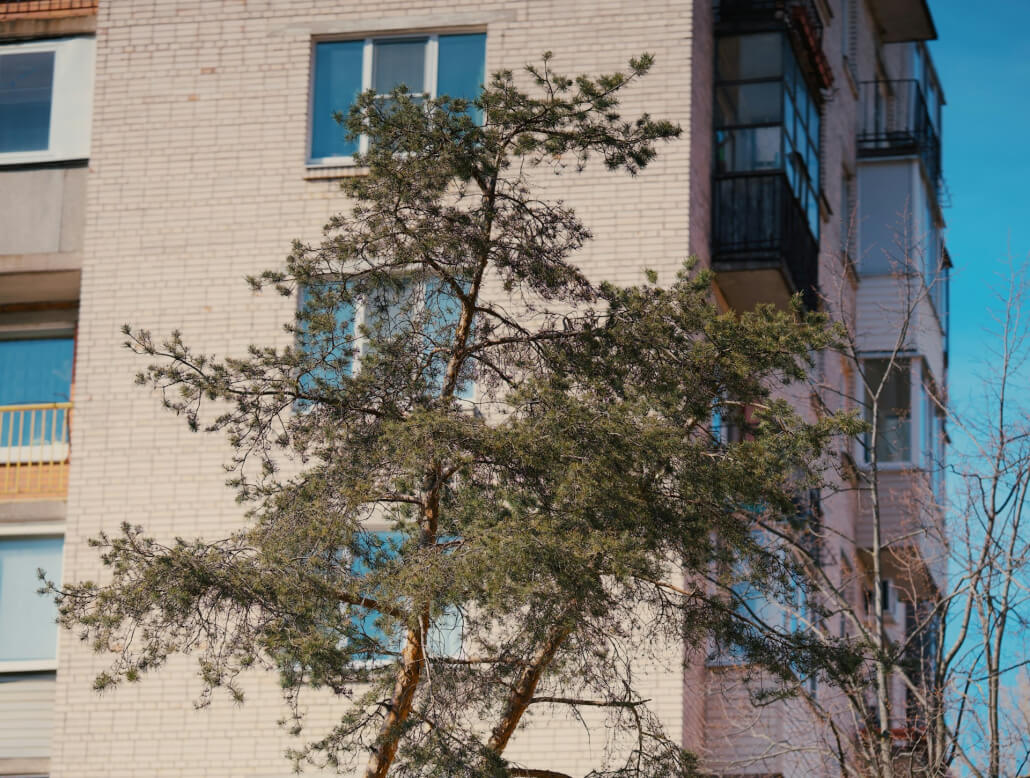
How To Safely Remove Trees Close To Buildings
Removing trees near buildings is a sensitive task that demands careful attention and proper technique. Trees offer numerous benefits, like shade and beauty, but when they stand too close to a structure, they might pose risks. These risks range from falling branches damaging the roof to roots potentially compromising the building’s foundation. More than just a visual concern, these issues necessitate a thoughtful approach to ensure that removing a problematic tree doesn’t cause further damage. Residents in Brisbane, with its unique blend of urban and green environments, often face the challenge of managing trees in tight spaces.
In locations like this, with both residential and commercial buildings interspersed with lush greenery, understanding how to safely handle potentially hazardous trees is crucial. This isn’t merely about dealing with overgrown branches or leaning trunks; it’s about safeguarding properties while preserving as much of the natural environment as possible. By identifying potential hazards early on, homeowners can avoid costly repairs and also maintain peace of mind.
Assessing the Tree’s Condition and Risks
Before deciding to remove a tree, it’s crucial to assess the condition and risks associated with its location. Certain signs indicate that a tree might be a threat to nearby buildings, making early detection vital. For instance, look for large dead branches, cavities in the trunk, or obvious signs of decay and pests that may destabilise the entire tree.
When assessing a tree situated close to a building, several factors need consideration:
– Leaning Trees: A noticeable lean, especially if new or worsening, can be a warning sign that the tree may fall.
– Root Damage: Exposed or disrupted roots might suggest instability. This is particularly critical when roots are visibly lifting sidewalks or infiltrating foundations.
– Cracks and Splits: Deep splits in the trunk or branches might indicate structural weaknesses, increasing the likelihood of breakage.
– Fungal Growth: The presence of mushrooms or other fungi on or near a tree usually means internal decay, which can seriously affect stability.
Engaging a professional can offer an invaluable assessment, providing insights that might not be apparent to the untrained eye. They can evaluate factors such as soil condition, root structure, and the tree’s overall health, ensuring that all risks are understood and mitigated.
By addressing these considerations, homeowners can take informed actions to prevent potential hazards from developing around their properties. The key lies in regular inspections and prompt interventions when signs of risk appear, maintaining both the beauty and safety of outdoor spaces.
Safety Precautions Before Tree Removal
Safety should always be the top priority when it comes to removing trees located near buildings. Before any action is taken, adopting the necessary precautions makes the process smooth and helps prevent accidents. Here are some recommended safety measures:
1. Notify Neighbours: Inform people living nearby about the tree removal. This gives them time to prepare and ensure their personal safety.
2. Create a Secure Zone: Set up a work area with safety cones or tape to keep bystanders at a safe distance. This reduces the risk of injury from falling branches or equipment accidents.
3. Use Proper Safety Gear: Wearing the right equipment, such as helmets, gloves, and safety glasses, protects workers from potential hazards that might occur during the process.
4. Evaluate Wind and Weather Conditions: Avoid removal activities during high winds or extreme weather. Calm and clear conditions are best for these tasks.
5. Check for Power Lines: Ensure that there are no overhead power lines interfering with branches or that pose any risk during the removal process.
Step-by-Step Tree Removal Process
Carrying out tree removal near buildings requires careful planning and execution. Follow these steps for a safe and efficient process:
– Plan the Fall Path: Determine the direction in which the tree should fall. Clear the area and ensure it is free of obstacles that might redirect the fall.
– Pre-cutting Preparations: Make strategic cuts on the tree to guide its fall and alleviate any pressures on the side facing the building.
– Engage Skilled Personnel: Using professionals with expertise in tree removal ensures that the method employed is safe and effective. Their ability to operate specialised equipment makes the job smoother.
– Use Professional Equipment: Employ tools like chainsaws and rigging systems designed specifically for tree removal. This equipment supports precise and controlled cuts.
– Monitor the Tree’s Movement: Constantly observe the tree as you work on it to anticipate and manage any unexpected shifts.
Post-Removal Land and Building Inspection
Once the tree has been successfully removed, carrying out a thorough inspection ensures no subsequent issues arise. Here’s what to do next:
– Inspect for Damage: Check the building and nearby structures for any impact or damage caused during the removal. Look for dents, scratches, or displaced materials.
– Evaluate the Land: Examine the ground where the tree was and assess for torn roots or soil disturbance. Restoring the ground may be necessary for maintaining landscape integrity.
– Address Root Remnants: Remove any remaining roots that could sprout or cause surface obstruction.
– Plan Future Landscaping: Consider planting new vegetation to fill the gap left by the tree. Ensure it is suitable for the area and does not pose similar risks as the previous tree.
Keep Your Property Safe with Professional Help
Ensuring your property remains safe from potential tree hazards calls for professional intervention. Engaging experts can make a significant difference in how these tasks are approached and executed. This approach helps safeguard your property efficiently while maintaining its visual appeal. Regular inspections and timely actions are integral to a well-managed green space that complements your home without compromising safety. Taking these steps not only preserves the aesthetics and value of your property but also offers peace of mind knowing that all potential tree-related issues are addressed responsibly.
Relying on professional support for managing tree hazards near your home is a smart step. If you encounter an urgent situation requiring immediate tree intervention, you can count on our emergency tree removal service in Brisbane. At TPS Tree Services, we are committed to helping residents keep their properties safe and looking great with expert care.