Tree Stump Grinders for Small Yards

What to Expect from Tree Stump Grinders for Small Yards

Small yards can be lovely, but they’re not without their own set of headaches. After removing a tree, that leftover stump tends to sit longer than planned, often because many aren’t sure what to do with it. It takes up valuable ground, and when space is tight, every square metre counts. That is where tree stump grinders come in.

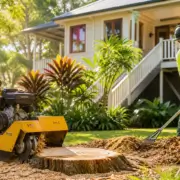
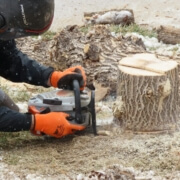
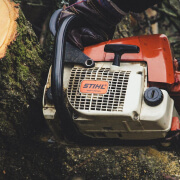
Tree stump grinders are machines that chip away a stump until it is well below the surface. If you have never had one used in a small yard, you might wonder how well they work or what kind of mess they leave behind. Knowing what they do, how they work on tighter ground, and what sort of clean-up is needed can make the whole process much smoother.

How Tree Stump Grinders Work in Small Spaces

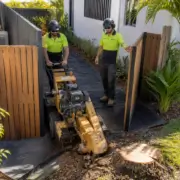
Grinders come in different sizes. In larger spaces, it might not matter much, but in a smaller yard, the type of machine can make a big difference. Larger industrial machines need wide access and are suited to bigger stumps or open lawns. For narrow spots near fences, garden beds, or patios, smaller hand-guided grinders often give better control with less risk of damage.

Tree stump grinding does not mean the whole stump is pulled up. Instead, the machine shaves it down bit by bit until it is below ground level. This is different from full removal, which might involve digging a hole and tearing out roots. Grinding keeps nearby plants, pavers, or pipes undisturbed.

Before grinding begins, we make sure the area is clear. This means moving garden furniture, pots, or any nearby tools. If access is tight, it is handy to check gate widths and walkways. We may need space to swing the grinder side to side as it works through the stump, so knowing what is nearby helps prevent any damage.

TPS Tree Services uses modern, compact stump grinders designed for Brisbane gardens, allowing effective removal even in small or tricky layouts. We work with care to make sure all surrounding features, from tiles to sleepers, are left undisturbed.

What to Expect in Terms of Noise, Mess, and Timing

Grinding down a tree stump is not a long job. In most small yards, it can often be done in under an hour, depending on the width and hardness of the wood. It is noisy work. The motor hums and the blades bite fast through the timber, so pets or children may prefer to stay inside until it is done.

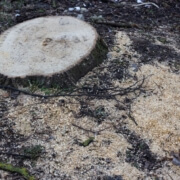
After a stump has been ground, what is left behind are wood chips and fine sawdust. These can be raked up and removed, or shifted to a different part of the garden to use as mulch. In a small yard, we usually avoid spreading the mulch nearby because it can crowd out garden beds or attract insects. Most people prefer to have it taken away.

In Brisbane, May offers drier ground and less intense heat, which helps the process run smoother. The soil stays stable under the grinder, so there is less risk of the machine sinking or dragging. Clean-up is easier, as loose chips are quicker to gather on dry ground.

For those wondering about how long the area stays messy, it depends on the clean-up plan. Most of the visible mess is gone when the chips are raked up. Sometimes, a little dust or chip can linger near the work zone, but these are minor compared to leftover stumps that gather weeds and insects season after season.

Common Mistakes to Avoid When Working in Small Yards

Compact spaces call for a bit more planning. One of the most common troubles we see is attempting to grind near walls, fences, or garden features without leaving enough room. The stump may be in a tight corner, and without careful work, nearby surfaces can get scratched or chipped.

Another issue is stopping the job too early. Sometimes, only the upper part of the stump is shaved down, which might look fine for a few weeks. Shallow cuts can allow some stumps to regrow or leave sharp edges that become a trip hazard.

Leaving behind the wood chips can also become a problem. In small areas, they build up quickly and invite ants or termites if forgotten. That is why we recommend a full clean-up, especially when space is limited and every spot needs to stay usable.

Owners sometimes forget to check how deep the stump should be ground down, which leaves a bump just under the surface. This can make mowing or even walking around tricky later on. Being thorough at the start prevents the same spot from causing trouble again in a few months.

Choosing the Right Time and Conditions for Best Results

May is one of the better times of the year in Brisbane to tidy up stumps. The late autumn weather is cooler, and sudden rain is less likely. That means fewer delays and safer working conditions.

Dry soil helps a lot. The grinder stays level, keeping the pressure even as it moves. Wet or soft ground can shift beneath the machine, which not only slows down the job but could lead to uneven grinding. There is less mess too. In drier soil, the chips sit on the surface and clean up much quicker.

Early winter preparation brings other benefits. If left too late, rain can return, and the soil turns muddy. Grinding a stump in mid-winter risks damaging nearby lawns or compacting soil under machines. Dealing with it earlier avoids those problems altogether.

When the stump is ground while the weather is good, the rest of the garden is less likely to get trampled during the work. It also allows for any plans to reseed or replant over the area to move forward without delay. As part of winter prep, getting this job done now leaves more options open for the next few months.

Smarter Spaces Start with Clear Ground

Getting rid of a stump in a small yard clears up more than just space. It removes a hazard, tidies the garden, and makes room for new plans, whether it is paving, planting, or just easing up the mowing routine.

By using the right grinder and working in dry, cooler weather, the job is done without much fuss. It is easier on the soil, the plants, and the people living around it. Planning ahead and knowing what to expect means you do not end up with a half-finished job or bigger trouble come winter. Clearing ground now keeps your space simple and manageable later.

Once the stump is out of the way, your yard feels more open, and regular yard work gets easier. No more steering around old wood with the mower, no stub to cling to fallen leaves, and no new shoots popping up from stubborn roots. Little improvements like this, done at the right time, make the whole yard safer and more welcoming.

Got a stubborn stump crowding your compact garden? Let TPS Tree Services handle it before winter arrives. We specialise in using the right machines for tight spaces, ensuring your paths and plants stay protected while everything remains neat and easy to maintain. Reclaim usable space, improve safety, and prepare your garden for its next chapter with professional help from our team. Call today to get started with tree stump grinders.

Tree Removal

How to Pick the Right Tree Removal Company Near Brisbane

Picking the right tree removal company can make a big difference, especially if you’re living near Brisbane. This time of year, as we head into May, many of us shift our focus to cleaning up the yard before winter fully sets in. Trees that were damaged over summer or removed during autumn often leave heavy bits behind that need the right kind of attention. Whether you’re worried about safety, property damage, or that half-finished look an old stump brings, finding someone reliable to finish the job properly matters.

It’s not just about having a tree cut down. You want someone who understands the area, keeps things tidy, and gets it done on time. Brisbane’s mix of back gardens, suburban streets, and uneven blocks isn’t something every contractor handles well. So when you’re searching for the right tree removal company, there are a few simple checks that help make sure the job is done smoothly the first time.

Know What Services You Actually Need

Before contacting anyone, it helps to think about what needs doing. Not all jobs are the same in size or style, and not every crew offers the full range of work you might need.

  • Some properties call for full tree removal, right down to the roots
  • Others just need a crown reduced or overhanging branches trimmed
  • Broken limbs after summer storms may need safe clearing before winter winds pick up
  • In tighter spaces like Indooroopilly, access can affect what equipment is used

Try to note the condition of each tree yourself before someone comes in to quote. Is there rot around the base? Are any limbs hanging over a neighbour’s shed or driveway? Do new shoots keep coming up from old stumps? Some jobs might look small at first but turn complex.

There are also details most people don’t think about, such as council permits or how far vehicles can get into your yard. A tree removal company that asks the right questions early on will know how to handle those things before problems arise. This sort of preparation saves surprises later and helps you feel confident about the plan.

Look for Local Knowledge and Insurance

It makes a big difference when someone knows local trees. The more familiar they are with our main species, the more likely they’ll spot issues before cutting starts. Big old gums don’t behave the same as a mango or jacaranda. Some break apart during removal and drop debris unexpectedly if not handled right.

You also want peace of mind if anything goes wrong. Heavy limbs can damage roofs or fences nearby, and it’s not worth the risk if the workers aren’t covered. Make sure any company you hire is fully insured. It’s simple to check, and anyone trustworthy won’t mind showing proof.

Try asking where they’ve worked before. If they’ve done jobs in suburbs near you, even better. Local knowledge often means they know the traffic, where access can be tricky, and the rules about what can or can’t be removed in certain zones. Asking about recent jobs or regular suburbs can give you an idea of their real experience in your area, so don’t always settle for a generic answer.

TPS Tree Services is fully insured for all tree removal jobs across Brisbane and uses specialised equipment for both tricky site access and safe removal. Our experienced arborists handle everything from large blocks to storm clean-up, keeping your garden tidy and secure.

Pay Attention to How They Communicate

The way a tree removal company speaks to you early on says a lot.

  • Do they give a clear breakdown of what’s included in the quote?
  • Are they on time when visiting to look at the site?
  • Do they explain who’s showing up on the day, how long the job lasts, and what they’ll do with leftover wood and debris?

If someone takes too long to respond, misses chat details, or skips over safety planning, it’s usually a sign they won’t manage bigger issues well either. The clearer they are now, the smoother things will go once they’re working in your yard.

We always find it easier to trust people who are upfront about cost, include clean-up, and know their gear limits. Anything left vague often leads to added charges or patchy results. Being transparent from the start saves both sides headaches and means you’re likely to feel more at ease with the work.

Don’t Get Caught Out by Cheap Prices

We get it, no one wants to spend more than they have to. But if a quote feels too low, you should ask why.

Here’s what a cheaper job might skip:

  • Correct machines for tall or thick trees
  • Safe removal of limbs near power lines or roofs
  • Full clean-up with skip use, mulching, or stump grinding

Sometimes workers rush bigger jobs into half a day, don’t remove all the roots, or leave cut wood where it lands. That ends up creating more work, or worse, more damage. A tree removal company that cuts corners to save on cost might cost you more to fix later.

Look for fair pricing, not just the cheapest. The right choice looks at size, difficulty, and safety, not just a quick cut. Reliable work may cost slightly more, but it often saves problems and tidy-up costs that come from a rushed or incomplete service. Thinking about value helps avoid headaches in the future.

Ask About Equipment and Safety Measures

Not every property has big, open lawns with straight access. Brisbane blocks often come with narrow drives, hills, shared fences, and retaining walls. Ask what kind of gear they bring and how they plan to get it into the space.

  • Check if machines are too wide for your access point
  • Ask how they protect gardens, fences, or driveways
  • Make sure they use the right safety clothing, cones, or signs if the job’s near roads or shared paths

Safety is more than avoiding accidents. It’s about making sure your property doesn’t get damaged along the way. A small knock from gear or fallen branches can break pipes or scratch up paving.

The better prepared the crew, the cleaner the result. If the tree is tricky or near anything important, these small questions help you spot care from the start. A careful approach made clear before work begins can prevent many small surprises while the job is underway, keeping everyone’s property safer.

Making the Right Call for Your Property

Tree work isn’t something most of us plan for unless there’s a problem. That’s why choosing the right crew matters, it saves time, stress, and leftover mess. The right call means someone local to Brisbane who understands tree types, block layouts, and safety.

You want more than a quick chainsaw job. You want someone who arrives when they say they will, answers questions, and leaves the space clean. As winter rolls in and we all close up our gardens and balconies, there’s no reason to deal with half-finished jobs and hazards waiting in the soil.

Now is a good moment to get things sorted so your outdoor space is easier to look after later. Whether it’s tree roots near drains, hanging limbs near sheds, or just old stumps wasting space, fixing it properly helps in the long run.

Chat with us to get practical answers before making any decisions. At TPS Tree Services, we’ve managed all kinds of jobs across Brisbane, from tight suburban spaces to complete yard clearances. Whether you’re sorting out tricky branches or planning a full removal, having the right tree removal company makes the process much easier. We’ll always listen first so we can recommend the right approach for your property. Call today and let’s work out the best solution together.

Tree Clearing Services

Understanding Tree Clearing Services for Minor Land Projects

Tree clearing services are often linked with big construction work or wideopen blocks, but they’re just as useful for smaller jobs. Even when you’re only clearing space for a garden shed or an outdoor sitting area, trees can hold things up. The ground may be crowded by roots or shaded too much by overhead branches. Clearing the space first doesn’t mean ripping everything out. It just means planning the work properly and making room to build safely.

In Brisbane, early autumn is often a good time to start this kind of preparation. The ground usually begins to dry out after summer, and the risk of sudden storms drops a bit. March mornings might still be warm, but the cooler change helps make work smoother, especially when digging or managing larger roots. That makes now a practical time to clear trees for minor land works.

Understanding Minor Land Projects and Tree Impact

Not all land jobs are large-scale. Many homeowners need only a bit of space cleared for things like:

  • Extending a driveway
  • Setting up a garden path or paved entertainment area
  • Laying down a concrete pad for water tanks, sheds, or small structures
  • Redesigning garden beds or adding fences

Even these simple plans can be slowed by tree growth. Thick roots can block digging. Overgrown branches might crowd a site or drop debris while work is happening. Trees leaning over fence lines or power connections are an extra risk.

Starting with a plan means you can check how the trees in your yard might affect the job. Removing a tree in full isn’t always needed. Still, not planning ahead can lead to delays or missed details once the project is underway. A few hours early on usually saves a lot of back and forth later.

What Tree Clearing Involves Beyond Cutting

Tree clearing sounds like one big action, but there’s more to it than removing a trunk. A lot of the work happens before and after the tree is moved. For smaller jobs, this matters just as much as the cutting itself.

  • Local rules: Some suburbs need approval before any trees are removed. Knowing which trees are protected saves time and avoids fines.
  • Access: Small yards can be tricky when equipment or people need to get through. We often need to clear extra space or protect what’s nearby.
  • Nearby plants: It’s easy to accidentally damage a good tree if one next to it is cleared without care. Planning how the roots and branches connect helps avoid that.

Once the visible part of a tree is removed, another job begins. Stumps may be too high or too wide for the space that’s being built. Roots left below the surface can keep growing or pull moisture away from new plants. Old root systems might also cause parts of the soil to sink over time. Clearing trees properly includes clearing what’s below.


TPS Tree Services provides insured and experienced crews for all jobs, even for small residential projects. We use modern equipment to access tight spaces and clear trees or roots without damaging nearby plants. Our team can also take care of stump grinding and debris removal after clearing.

Common Problems That Come Up Without Professional Clearing

Trying to rush or skip proper clearing often leads to avoidable problems. We’ve seen a few issues come up often, especially when trees are cleared halfway or without properly checking the land first.

  • Dropped branches: When limbs are cut without a secure plan, they can fall in any direction, hitting roofs, fences, or people below.
  • Ground shifts: Taking out a stump too quickly can lead to sunken soil or uneven paths, especially when the land isn’t filled and packed afterwards.
  • Nearby damage: Roots often reach further than you’d think. Cutting them close to the surface can pull stress toward other trees or damage underground pipes.

These problems aren’t always visible at first. They tend to show up as cracks, leaning plants, or soft patches in the ground weeks later. That’s why even a small land job should start with a clear plan for how trees will be managed.

Autumn Prep: Why March Is a Smart Time to Clear

In Brisbane, March is a shift away from summer heat and early storms. The days start to cool, and soil begins to settle into a more stable state. That makes it a solid choice for preparing small sites.

  • The earth is softer from summer rains, but not soaked like it is during peak storm season. This makes it easier to work around roots or dig stumps out.
  • With fewer storms on the horizon, the risk of unfinished jobs being delayed by rain or wind drops.
  • Cooler weather helps people and equipment handle clearing or lifting jobs more comfortably.

Clearing now also gives plants left behind more time to adjust before winter. Anything new being planted in the cleared space has longer warm days to get settled. It’s a good in-between season for both starting and finishing minor work.

Safer Yards and Smoother Builds with Planned Work

When trees are handled properly, even the smallest land projects go more smoothly. The ground stays balanced, the worksite is open, and there are fewer surprises later. Putting time into planning doesn’t just protect structures. It helps protect other trees, garden beds, and everyone working nearby.

We take care to plan every step of tree clearing so the end result leaves a clear, clean space ready for whatever comes next. Whether that’s a small patio, a new fence, or something else entirely, getting the trees out the right way is the first step toward a job that’s less stressful and more safe all round.

Planning small land upgrades in Brisbane means making sure your site is clear, stable, and ready for work. Tree roots, branches, or stumps left behind can slow down your project or cause issues later. We always assess how every element fits together before starting any new job. To find out how we manage all kinds of tree clearing services, contact TPS Tree Services today.

Emergency Tree Removal

How to Handle Emergency Tree Removal After Storms

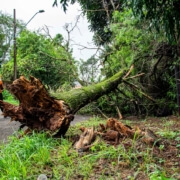
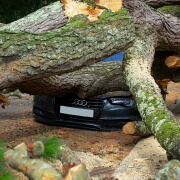
When summer storms hit Brisbane, fallen branches, uprooted trees, and heavy limbs snapping under pressure are often left behind. These aren’t just messy. They can become dangerous, especially when trees fall across driveways, over fences, or onto buildings. That’s where emergency tree removal comes in.

After a major storm, safety should always come first. Trees that look stable at first glance can quickly shift in soaked or loosened soil. Sometimes, the damage is obvious. Other times, it takes a closer look to spot what’s weakened or likely to fall next. Acting sooner rather than later can help stop small problems from turning into much bigger ones.

First Signs You May Need a Tree Removed Immediately

Not all damage is easy to spot, especially when everything looks like a mess. But there are a few warning signs you shouldn’t ignore. If you notice any of the points below, it’s safer to get a professional opinion.

  • Large branches have already fallen or are stuck hanging
  • The tree is starting to lean or looks like it’s moved at the base
  • Cracks have appeared in the trunk or deeper roots are now exposed

Even solid-looking trees can hide problems after heavy wind or rain. If the tree is close to a building, pool, or walkway, inspecting it quickly becomes more important than waiting to see what happens. Many times, damage is not where you’d first expect to see it, as some cracks or movement can be hidden behind leaves or hard-to-see parts of the trunk. Rather than assuming it’s fine, taking stock from different angles gives a clearer picture. If in doubt, it’s better to act on the side of caution.

What to Do Right After the Storm

Right after bad weather, it’s natural to want to get outside and start tidying up. Still, it’s worth taking a slower, safer approach. Trees can shift without warning, and the ground might still be soft or slippery.

  • Keep a safe distance from any large branches, especially if they’re caught on wires or rooftops
  • Use your phone to take wide shots of the damage rather than getting too close
  • Place cones or rope around affected areas if pets or children are nearby

If there are signs of rot or parts of the tree are leaning into areas where people walk, waiting to act can make the situation worse. Avoid touching or moving anything until you know the area is completely safe. Even when it seems like the worst is over, more damage can show up as things dry out or the wind picks up again. Taking just a few moments to step back and look over all the trees nearby can make a big difference. If you need to walk the property, keep to firm ground and move around puddles or mud where possible.

What Can Make Removal Risky or Delayed

Not every removal can be done on the spot. Brisbane’s heavy summer rains often leave the soil loose, which makes it harder for equipment or vehicles to reach certain spots. It’s not always a matter of strength, technique plays a big part in doing things without causing more harm.

  • Wet or softened ground can make tree removal unstable or unsafe
  • Hidden damage inside the trunk might make the tree behave in unexpected ways during cutting
  • Trees close to homes, fences, or sheds need special care to avoid crushing what’s nearby

Waiting until the conditions are safer can sometimes delay removal. But when it comes to damage near roofs or driveways, getting expert eyes on the problem means fewer surprises later. In the meantime, marking off trouble spots with tape or temporary barriers is a good way to keep everyone, especially children, away from unstable trees or debris. Sometimes, even the path used to bring in equipment can matter, which is why a proper look at the area matters just as much as the work itself.

Often, roots spread much farther than expected, so digging or moving the tree can affect more than what’s above the surface. Even once big branches are down, the root plate can tip or move, so staying alert is important throughout the removal. It’s all about steady progress rather than rushing the job, especially when the weather is unpredictable.

The Role of Trained Experts in Emergency Cases

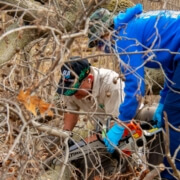
When everything feels chaotic after a storm, having someone who knows what to look for can ease a lot of stress. Emergency tree removal isn’t just about cutting things down quickly. It’s about knowing how to control where limbs fall and how to avoid making the damage worse.

  • Trained crews understand how different tree species react to weather stress
  • They use ropes, pulleys, and other tools to lower limbs without sudden drops
  • Safety is often about planning where and how the tree should come down

Most damaged trees don’t come down in the same way they grew. Branches can split at odd angles, and root balls can shift suddenly during removal. Having the right skills and equipment can be the difference between a clean result and an expensive fix.

TPS Tree Services brings insured, experienced crews to every job, including emergency tree removal for storm-damaged sites. Our team uses professional-grade equipment and methods that protect both your property and surrounding trees, ensuring safe results even when conditions are tough. We also take time to discuss options before any cutting begins, so you’ll know what to expect at every stage.

Often, the clean-up itself reveals extra damage to nearby fences, structures, or gardens. A trained expert can point out these risks early, helping to avoid surprise repairs later. By taking the time to check for broken wires, smashed tiles, or exposed roots, they make the process as safe as possible for everyone.

When You Shouldn’t Wait Any Longer

Timing matters. There’s a difference between a tree that’s just unsightly and one that might tip over in the next storm. Some warning signs aren’t dramatic, but they still need fast action.

  • The tree is leaning toward people, buildings, or public paths
  • You’ve spotted new cracks or signs that the trunk is weakening
  • A fallen tree is already blocking a driveway or outdoor access

In summer, storms can hit one after another. If you leave a damaged tree too long, the next downpour might finish what the last one started. Taking notice now can prevent a repeat of the same problem.

Sometimes you may feel uncertain whether the tree needs to come out immediately or if it can wait a little longer. But if it’s anywhere near areas people use, the best approach is not to delay. Even if there’s no direct danger at the moment, the balance can shift with one more heavy rain. By addressing warning signs early, you avoid not just stress, but the possibility of larger clean-ups and more repairs.

Peace of Mind After the Storm Clears

Once the mess is cleared, it’s not just about restoring how your space looks. Trees left damaged or leaning can weigh on your mind, always feeling one strong wind away from real danger. Clearing them makes room to fix fences, restain decks, or just enjoy the garden again.

Choosing TPS Tree Services means that emergency clean-ups get handled quickly and safely. We remove green waste and storm debris, letting you get back to your normal routine faster and with less worry about hidden hazards.

There’s a sense of relief that comes after everything is removed and the area is clean. It’s not only your property that feels safer, there’s also less to worry about during the next patch of wild weather. Proper clean-up doesn’t end with removing the tree itself. Fence panels, tiles, and even gardens benefit from having hazards taken out in one go. When broken limbs and branches are gone, small repairs become much easier and things feel normal sooner. Storms may be common, but taking the right steps quickly makes it much easier to care for your property from season to season.

Strong winds and heavy rain can leave your yard in a dangerous state, with cracked trunks, large limbs, and unstable roots all needing urgent attention. When more storms are likely, prompt action is necessary for safety and peace of mind. That’s why we respond quickly and carefully for emergency tree removal around Brisbane, arriving with the right tools and the experience to handle even the toughest situations. Call TPS Tree Services today so we can help restore your outdoor space before the next downpour.

Stump Grinder

Signs You Need a Stump Grinder in Brisbane Backyards

Stumps often go unnoticed once a tree is gone, but they rarely stay quiet for long. Whether it’s that awkward lump sticking out of the grass or the slow rot hiding underneath, old stumps can start to get in the way. They’re not just an eyesore either. Over time, they cause real problems in gardens across Brisbane.

By mid-January, heavy rain has soaked the soil, trees have had time to grow back after storms, and old stumps tend to make themselves known. This is when a stump grinder in Brisbane can make all the difference. Clearing what’s left beneath the surface can prevent bigger damage from building up unnoticed, especially in homes where kids play outside or storms are a regular guest.

When a Stump Becomes a Safety Hazard

A stump might not seem dangerous at first. But once the grass grows over it or the timber starts to break down, it can turn into a real risk.

  • Trips and falls become more likely, especially for little ones racing through the yard or visitors not used to the layout.
  • As the stump breaks apart, it can cause cracks or shifts in nearby pavers, paths, or outdoor steps.
  • With Brisbane’s summer rain, decaying timber soaks up water fast, making the surface slick and easier to slip on.

If it sits close to a frequently used spot, like a washing line, garden hose, or the shed door, it becomes far more than just an inconvenience. Safety is reason enough to look closer at that leftover tree base.

Unwanted Growth Keeps Coming Back

We’ve all seen it, those little shoots popping up where a tree once stood, sprouting around the old base like weeds you can’t shake. When this happens, it’s usually because the root system is still going strong underground.

  • Some trees regrow quickly and keep trying to return even years later.
  • These shoots drain nutrients from the soil and crowd out the plants you actually want.
  • Unless the stump is deeply ground out, those roots will keep encouraging new lift.

A surface cut or chainsaw will just slice off what’s visible. A grinder goes below the surface and clears the root base properly, which stops the regrowth cycle before it picks up again.

Insects, Fungi, and Hidden Damage

One of the easiest ways to attract insects into a garden is by ignoring rotting timber. Termites, beetles, and ants love the soft, damp wood left behind in old stumps. Once they’ve settled in, they don’t always stay put.

  • Decaying stumps serve as the perfect nesting ground for unwanted insects.
  • Fungi often grows on the surface or beneath the soil, especially in humid, shaded areas.
  • Spread becomes a bigger issue when nearby garden beds, trees, or timber fences are connected.

While some of this damage is visible, much of it builds up slowly underneath. By the time the signs are obvious, the trouble has often spread beyond the stump.

Your Garden Plans Keep Getting Blocked

Trying to rework a backyard with an old stump in play is like dealing with a rock you can’t lift. It gets in the way of nearly everything.

  • You can’t build a garden bed, sleeper wall, or small deck over an unremoved stump.
  • It blocks some spots from being levelled or paved properly.
  • It limits where you can plant, fence, or even mow without hassle.

Most stumps aren’t where you want them. Getting them out early means you’ve got space to work with, not around. If your New Year plans include fixing up the yard or adding new features, it’s better to clear the slate properly now.

Why Timing Matters More Than You Think

Summer in Brisbane means stronger sunlight, fast plant growth, and almost weekly bouts of rain. These conditions make leftover stumps more of a problem, not less.

  • When the ground is too wet, stumps get softer and break down faster, pulling in moisture and insects.
  • By late January, the ground starts to dry and sometimes cracks, causing further shifts near decayed stumps.
  • Finishing yard work before school returns gives everything a chance to settle before the routine picks up again.

Mid-January is right between heaviest rain and early-autumn winds. It’s a solid window to take care of yard issues like stumps before they grow into something worse.

Clear Space, Fewer Surprises

Stumps may sit quietly for a few months, but they rarely stay out of sight for good. Over time, they interfere with how the garden looks, how we use it, and what crops up beneath the surface.

Clearing them doesn’t just fix one thing. It makes the garden feel more open and easier to manage. Whether it’s to stop ants from spreading, break the cycle of sprouting shoots, or simply move ahead on your garden plans, noticing the signs early saves more than just space. Getting ahead now helps keep Brisbane gardens safer and simpler through the rest of summer.

We use powerful, modern grinders to handle even the biggest or most awkward stumps, and we clear all the waste from your yard as part of the job. Our team is fully qualified and insured for stump grinding and removal across Brisbane, making the process safe and straightforward for homeowners.

When a stubborn tree stump begins to disrupt your outdoor plans, taking action now can help keep your garden tidy and safe. Issues like regrowth, decay, or uneven ground often signal it’s time for a trusted solution, and using a stump grinder in Brisbane is one of the most effective ways to clear the space efficiently. At TPS Tree Services, we’re here to handle the hard work so you can enjoy a smooth, hazard-free garden all season long, just give us a ring before those problems have a chance to spread.

Remove Trees Close To Buildings

How To Safely Remove Trees Close To Buildings

Removing trees near buildings is a sensitive task that demands careful attention and proper technique. Trees offer numerous benefits, like shade and beauty, but when they stand too close to a structure, they might pose risks. These risks range from falling branches damaging the roof to roots potentially compromising the building’s foundation. More than just a visual concern, these issues necessitate a thoughtful approach to ensure that removing a problematic tree doesn’t cause further damage. Residents in Brisbane, with its unique blend of urban and green environments, often face the challenge of managing trees in tight spaces.

In locations like this, with both residential and commercial buildings interspersed with lush greenery, understanding how to safely handle potentially hazardous trees is crucial. This isn’t merely about dealing with overgrown branches or leaning trunks; it’s about safeguarding properties while preserving as much of the natural environment as possible. By identifying potential hazards early on, homeowners can avoid costly repairs and also maintain peace of mind.

Assessing the Tree’s Condition and Risks

Before deciding to remove a tree, it’s crucial to assess the condition and risks associated with its location. Certain signs indicate that a tree might be a threat to nearby buildings, making early detection vital. For instance, look for large dead branches, cavities in the trunk, or obvious signs of decay and pests that may destabilise the entire tree.

When assessing a tree situated close to a building, several factors need consideration:

– Leaning Trees: A noticeable lean, especially if new or worsening, can be a warning sign that the tree may fall.

– Root Damage: Exposed or disrupted roots might suggest instability. This is particularly critical when roots are visibly lifting sidewalks or infiltrating foundations.

– Cracks and Splits: Deep splits in the trunk or branches might indicate structural weaknesses, increasing the likelihood of breakage.

– Fungal Growth: The presence of mushrooms or other fungi on or near a tree usually means internal decay, which can seriously affect stability.

Engaging a professional can offer an invaluable assessment, providing insights that might not be apparent to the untrained eye. They can evaluate factors such as soil condition, root structure, and the tree’s overall health, ensuring that all risks are understood and mitigated.

By addressing these considerations, homeowners can take informed actions to prevent potential hazards from developing around their properties. The key lies in regular inspections and prompt interventions when signs of risk appear, maintaining both the beauty and safety of outdoor spaces.

Safety Precautions Before Tree Removal

Safety should always be the top priority when it comes to removing trees located near buildings. Before any action is taken, adopting the necessary precautions makes the process smooth and helps prevent accidents. Here are some recommended safety measures:

1. Notify Neighbours: Inform people living nearby about the tree removal. This gives them time to prepare and ensure their personal safety.

2. Create a Secure Zone: Set up a work area with safety cones or tape to keep bystanders at a safe distance. This reduces the risk of injury from falling branches or equipment accidents.

3. Use Proper Safety Gear: Wearing the right equipment, such as helmets, gloves, and safety glasses, protects workers from potential hazards that might occur during the process.

4. Evaluate Wind and Weather Conditions: Avoid removal activities during high winds or extreme weather. Calm and clear conditions are best for these tasks.

5. Check for Power Lines: Ensure that there are no overhead power lines interfering with branches or that pose any risk during the removal process.

Step-by-Step Tree Removal Process

Carrying out tree removal near buildings requires careful planning and execution. Follow these steps for a safe and efficient process:

– Plan the Fall Path: Determine the direction in which the tree should fall. Clear the area and ensure it is free of obstacles that might redirect the fall.

– Pre-cutting Preparations: Make strategic cuts on the tree to guide its fall and alleviate any pressures on the side facing the building.

– Engage Skilled Personnel: Using professionals with expertise in tree removal ensures that the method employed is safe and effective. Their ability to operate specialised equipment makes the job smoother.

– Use Professional Equipment: Employ tools like chainsaws and rigging systems designed specifically for tree removal. This equipment supports precise and controlled cuts.

– Monitor the Tree’s Movement: Constantly observe the tree as you work on it to anticipate and manage any unexpected shifts.

Post-Removal Land and Building Inspection

Once the tree has been successfully removed, carrying out a thorough inspection ensures no subsequent issues arise. Here’s what to do next:

– Inspect for Damage: Check the building and nearby structures for any impact or damage caused during the removal. Look for dents, scratches, or displaced materials.

– Evaluate the Land: Examine the ground where the tree was and assess for torn roots or soil disturbance. Restoring the ground may be necessary for maintaining landscape integrity.

– Address Root Remnants: Remove any remaining roots that could sprout or cause surface obstruction.

– Plan Future Landscaping: Consider planting new vegetation to fill the gap left by the tree. Ensure it is suitable for the area and does not pose similar risks as the previous tree.

Keep Your Property Safe with Professional Help

Ensuring your property remains safe from potential tree hazards calls for professional intervention. Engaging experts can make a significant difference in how these tasks are approached and executed. This approach helps safeguard your property efficiently while maintaining its visual appeal. Regular inspections and timely actions are integral to a well-managed green space that complements your home without compromising safety. Taking these steps not only preserves the aesthetics and value of your property but also offers peace of mind knowing that all potential tree-related issues are addressed responsibly.

Relying on professional support for managing tree hazards near your home is a smart step. If you encounter an urgent situation requiring immediate tree intervention, you can count on our emergency tree removal service in Brisbane. At TPS Tree Services, we are committed to helping residents keep their properties safe and looking great with expert care.

Remove Tree Stumps

How To Remove Tree Stumps Easily

Tree stumps left behind after tree removal can be more than just an eyesore in your garden or yard. They can pose safety hazards, attract pests, and make lawn maintenance a hassle. It’s essential to address these remnants to maintain an appealing and safe outdoor space. In Brisbane, dealing with tree stumps efficiently is crucial, especially as climate and seasonal changes can affect the terrain and plant life in your yard. Tree stump removal isn’t only about aesthetics; it’s about creating a safer and more enjoyable outdoor environment.

Removing tree stumps involves more than just pulling them out of the ground. To do it effectively, it’s necessary to understand the tools and methods suitable for this task. Whether you’re looking for a hands-on project or considering hiring a professional service, knowing the process is invaluable. Let’s explore the reasons for removing stumps and the tools needed to get the job done right.

Why Remove Tree Stumps?

Leaving a tree stump in your garden or yard can lead to several problems. Firstly, they can become a breeding ground for pests like termites and beetles. These pests can quickly spread to healthy trees or even find a way into your home, causing significant damage.

Moreover, tree stumps can be a tripping hazard, especially if grass or weeds grow around them and obscure them from view. This is particularly important if you have children playing in the yard or if your garden is a popular spot for gatherings.

There’s also the matter of aesthetics. A rotting tree stump isn’t exactly the feature point you want in your garden. It can detract from the natural beauty of your landscape design and decrease the overall value of your property. Here are the key reasons why tree stump removal should be a priority:

– Safety Concerns: Tree stumps are trip hazards, especially when hidden by grass or weeds.

– Pest Problems: Stumps can attract pests that may spread to other plants or structures.

– Aesthetic Appeal: Removing stumps improves the overall look and feel of your garden.

– Space Utilisation: Clearing stumps makes way for new plants, seating areas, or other landscaping improvements.

Taking these factors into account, it becomes clear that removing tree stumps promises a more functional and visually pleasing yard while preventing potential issues down the line. Understanding these points highlights the importance of addressing tree stumps promptly and effectively.

Tools and Equipment Needed

Successfully removing a tree stump requires the right tools and know-how. Depending on the size of the stump and your preference for manual or powered methods, you’ll need different equipment. Here’s what you might consider:

1. Shovels and Spades: Essential for digging around the stump and exposing roots. Opt for sturdy, high-quality tools.

2. Root Saws and Axes: Useful for cutting through large roots. These tools are invaluable when manual removal is your chosen method.

3. A Stump Grinder: If you prefer a quicker process, consider renting a stump grinder. This machine chews away at the stump and roots, turning them into mulch.

4. Chainsaw: Ideal for cutting the stump close to ground level. This makes manual digging easier if you’re opting for traditional methods.

5. Safety Gear: Always wear gloves, eye protection, and sturdy footwear during removal to ensure personal safety.

Choosing the right combination of tools depends on your project’s scale and your comfort level with equipment. For large stumps or numerous removals, enlisting professional services might be more feasible and efficient. This variety of tools enables you to approach stump removal with confidence, ensuring the outdoor area is safe, tidy, and visually appealing.

Step-by-Step Guide to Removing Tree Stumps

Clearing out a tree stump might seem like a tough task, but breaking it down into smaller steps can make it manageable. Here’s how you can tackle this task effectively:

1. Prepare the Area

Start by clearing the area around the stump. Remove rocks and debris, and cut the stump as close to the ground as possible using a chainsaw. This will make the removal process less challenging.

2. Dig and Expose Roots

Use a shovel to dig around the base of the stump to expose the roots. The depth of digging depends on the size of the stump. For larger ones, you’ll need to dig deeper to reach the main roots.

3. Cut Through the Roots

Once exposed, cut through the roots using root saws or axes. It’s important to sever all the main roots to ensure the stump can be removed effectively.

4. Remove the Stump

With the roots cut, you can attempt to lever the stump out using a pry bar. It may require a bit of muscle, so be prepared for heavy lifting. If it’s too stubborn, using a stump grinder can speed up the process significantly.

5. Clean Up

Fill the hole left behind with soil and pack it down firmly. Adding grass seed or covering the area with mulch can blend it seamlessly with the surroundings and make it ready for new plantings.

Hiring Professionals for Tree Stump Removal in Brisbane

While it’s entirely possible to remove stumps on your own, there are times when calling in professionals makes sense. Here’s what professionals can bring to the table:

– Expertise and Experience: Professionals handle stump removal regularly and know the safest and most efficient methods.

– Access to Advanced Equipment: They use specialised tools that can deal with stumps of all sizes quickly and efficiently.

– Time-Saving: What may take you a weekend, they can accomplish in a much shorter span, allowing you to focus on other aspects of your garden.

When choosing a professional, look for a service with good reviews and clear pricing. It’s always a plus if they provide a comprehensive service that includes removal and clean-up.

Keep Your Outdoor Space Safe and Beautiful

Prompt removal of tree stumps ensures a safer and more attractive garden. It reduces the risk of accidents and keeps pests at bay. Embracing regular maintenance and making wise choices about handling tree remnants keeps your outdoor area both practical and inviting. No longer worried about tripping hazards or unsightly decay, you can fully enjoy your garden’s beauty.

Your garden is an extension of your home, a reflection of your care and style. Ensuring it’s well kept and free from unwanted obstacles means you and your family can have a space perfect for relaxation and play, adding value and charm to your property. Taking action on stump removal not only improves safety but also enhances the overall appeal of your green space.

If the task of grinding down those pesky stumps seems overwhelming, let the experts help. TPS Tree Services specialises in efficient tree stump removal in Brisbane. Don’t let those obstacles linger in your yard; ensure a safe and tidy outdoor space. Reach out for professional assistance, making way for a smoother, more appealing garden.

getty images T7 5I c9O04 unsplash

Safe Methods for Removing Trees in Tight Spaces

Removing a tree in a tight space can be a tricky task, but it’s essential to do it safely and effectively. Whether it’s a tree close to your house, near power lines, or in a crowded garden, taking the right steps can prevent damage and ensure safety. It’s more than just chopping down branches; it involves careful planning and using the correct equipment.

Imagine having a tree that’s leaning dangerously close to your house or one that’s so packed in with other plants that there’s hardly any room to work. In these cases, using the right methods for tree removal is crucial. This involves assessing the situation, choosing the appropriate tools, and employing techniques that maintain safety at all times.

It’s not just about cutting the tree down; it’s about doing so in a way that minimises risk. From evaluating potential hazards to cleaning up afterward, every step has its importance. Let’s explore the best methods for removing trees in tight spaces while ensuring the safety of everyone and everything involved.

Assessing the Situation

Evaluate the Tight Space

Before starting any tree removal, it’s crucial to evaluate the tight space where the tree is located. This means looking at how close the tree is to buildings, power lines, and other trees. Understanding the space helps in planning the removal process, ensuring there’s enough room for safe operations.

Identify Potential Hazards

Next, identify potential hazards that could make the removal process risky. These hazards can include nearby power lines, structures, and even other trees. Knowing what to watch out for can help prevent accidents and damage. Marking these hazards clearly can also guide the team as they work, ensuring everyone knows what to avoid.

Measure the Tree’s Size and Lean

It’s also important to measure the tree’s size and lean. The height of the tree will determine how it will be sectioned, while the lean will show which direction it may fall naturally. Understanding these factors helps in planning a safe and efficient removal. Measuring the tree also helps decide on the best equipment and techniques to use.

Choosing the Right Equipment

Compact Chainsaws

Using the right tools is vital for tree removal, especially in tight spaces. Compact chainsaws are perfect for these conditions. They are easier to handle and manoeuvre in confined areas. These chainsaws provide the power needed without being too bulky, making the job safer and more efficient.

Tree Climbing Gear

Sometimes, accessing higher branches in tight spaces requires tree climbing gear. This includes ropes, harnesses, and climbing spikes. Proper climbing gear helps workers reach and cut branches without relying solely on ladders. It also adds an extra layer of safety, ensuring that workers are secure while working at heights.

Rigging and Roping Systems

Rigging and roping systems are essential for controlling how branches and sections of the tree come down. These systems allow for precise control, making it possible to lower large branches safely without causing damage to the surrounding area. Using rigging systems helps in managing the weight and direction of falling branches, reducing the risk of accidents.

Choosing the right equipment ensures that the tree removal process is not only safe but also efficient. By knowing what tools to use, you can make the task easier and avoid potential hazards.

Safe Tree Removal Techniques

Sectioning the Tree

When removing a tree in a tight space, sectioning the tree is a vital technique. This involves cutting the tree into smaller, manageable sections from the top down. By starting at the top and moving downwards, you reduce the risk of large pieces falling uncontrollably. This method allows for better control and ensures safety, especially in confined spaces where there’s little room to manoeuvre.

Controlled Lowering of Large Branches

Controlled lowering of large branches is another essential technique. Using rigging and ropes, branches are carefully lowered to the ground. This prevents them from crashing down and causing damage to nearby structures or plants. Controlled lowering requires coordination and precision, but it’s an effective way to ensure that each piece is handled safely.

Using a Crane for Tree Removal

In some cases, using a crane is the best option for removing a tree in a tight space. A crane can lift large sections of the tree, allowing them to be safely moved away from the site. This method is particularly useful for very tall or heavy trees that are close to buildings or other obstacles. While it requires specialised equipment and expertise, crane-assisted removal can be the safest and most efficient method in tricky situations.

Post-Removal Cleanup and Safety

Stump Grinding and Removal

After the tree has been removed, it’s essential to deal with the stump. Stump grinding is a common method for removing stumps, where the stump is ground down to below the soil level. This not only removes the visible stump but also prevents new growth. Stump grinding creates a smoother surface, making the area safer and more usable.

Clearing Debris Safely

Once the tree is removed and the stump is dealt with, the next step is clearing the debris. This includes branches, leaves, and any other material left behind. Clearing debris safely ensures that there are no hazards left in the area. It’s also important to dispose of the debris properly, following local guidelines to avoid any environmental impact.

Inspecting the Area for Hidden Hazards

Finally, inspecting the area for hidden hazards is crucial. This means checking for any remaining roots, sharp branches, or other potential dangers that might have been missed. Ensuring the area is completely safe helps prevent accidents later on. It’s a thorough process, but essential for maintaining safety in your yard.

Conclusion

Removing trees in tight spaces requires careful planning, the right equipment, and safe techniques. By evaluating the situation, choosing the proper tools, and following safe removal methods, you can ensure the health of your garden and the safety of your property. Post-removal cleanup is just as important, leaving your space tidy and hazard-free.

At TPS Tree Services, we understand the challenges of removing trees from difficult spots. Our expert team is equipped to handle tree cutting services in Brisbane efficiently and safely. If you need professional tree removal services, contact TPS Tree Services today for a safe and reliable solution.

pruning shears 4964455 1280 1

The Importance of Tree Pruning: A Guide to Enhancing Health and Beauty

Trees play a critical role in enhancing the beauty and value of any property. They provide shade, improve air quality, and create a vibrant, natural environment for our homes and gardens. However, proper tree maintenance is crucial to ensure their health, safety, and stunning appearance. One of the essential aspects of tree care is tree pruning, which not only enhances their aesthetics but also contributes significantly to their overall health.

Tree pruning involves carefully removing certain branches or limbs in a manner that promotes healthy growth, maintains the tree’s shape and structure, and prevents any potential hazards. It’s quite a delicate process that requires a sound understanding of tree biology, as careless cutting can severely damage your trees or even shorten their lifespan.

So, we’ll dive into the various benefits of pruning your trees, how it’s done, and some crucial tips on when to call in professionals for the job. Whether you’re a seasoned gardener or simply looking to improve your green thumb, we’ll help you make informed decisions on maintaining your trees and keeping your garden lush and thriving.

Benefits of Tree Pruning:

1. Improves tree health: Removing diseased, infested or dead branches will prevent the spread of harmful organisms and enhance the health of your trees. Regular pruning also promotes proper air circulation and sunlight penetration, vital for the growth and well-being of your trees.

2. Maintains safety: Overgrown trees with weak or dead branches can pose risks to people, property, and power lines if they fall unexpectedly. Tree pruning helps to eliminate these potential hazards for a safer and secure landscape.

3. Encourages fruit production: If you have fruit trees, regular pruning can lead to more abundant and healthier fruit yields by facilitating better airflow and sunlight exposure.

4. Enhances aesthetics: Neat and well-trimmed trees significantly improve the visual appeal of your property. Pruning maintains the desired shape and size, giving your trees a beautiful and uniform appearance.

5. Inspects tree conditions: Regular pruning allows you to identify any signs of weakness, disease, or decay, helping to address issues before they become severe problems.

Now that you understand the importance of tree pruning, you may wonder when to call in the professionals. While minor trimming tasks can be carried out independently, seeking expert assistance is always the best option for maintaining the health and beauty of your garden. TPS Tree Services possesses the necessary skills, equipment, and experience to ensure the job is done correctly and safely.

Ready to give your trees the care they deserve? Reach out to TPS Tree Services today for all your tree pruning needs!

Tree Pruning Techniques: A Step-by-Step Guide

To achieve the best results from tree pruning, it’s important to familiarise yourself with the various techniques and approaches. While some situations may require professional assistance, basic pruning can be performed by anyone willing to learn the ropes. Here’s a step-by-step guide to pruning trees effectively:

1. Identify the Branches to be Pruned

Before starting the pruning process, carefully examine the tree and identify which branches need to be removed. Focus on dead, diseased, or damaged branches, as well as those that are growing inwards or rubbing against others. Additionally, look for branches that could obstruct walkways or impede the growth of other plants in your garden.

2. Prepare the Necessary Tools

Having the right tools will make your tree pruning task more manageable and efficient. Examples of essential tools include:

  • Hand pruners: Ideal for cutting small branches up to 1 inch in diameter
  • Lopping shears: Suitable for branches between 1 and 2 inches thick
  • Pruning saws: Best for branches thicker than 2 inches

Always ensure your tools are sharp and clean to prevent injury or the spread of diseases among your trees.

3. Choose the Right Pruning Method

Depending on the objective of your pruning task, various methods can be applied:

  • Thinning: This involves selective branch removal to improve air circulation and light penetration. Thinning should be done sparingly, removing no more than 25% of a tree’s crown in a single session.
  • Raising: This method focuses on the removal of lower branches to raise the height of a tree’s canopy. It’s often used for trees near sidewalks or roads.
  • Reduction: When a tree grows too large for its environment, reduction pruning may be necessary. This method reduces the tree’s size while maintaining its natural shape.

4. Use the Correct Pruning Cuts

Proper pruning cuts are essential to ensure the health of your trees. Two main types of cuts are:

  • Heading cuts: These shorten branches by removing the end part of a shoot or branch. This invigorates growth in the bud surrounding the cut, resulting in denser foliage.
  • Thinning cuts: This technique removes an entire branch back to its origin. Thinning cuts help to maintain the tree’s natural shape and promote better air circulation.

When making cuts, always trim at an angle and avoid leaving a stub, as it can lead to decay or disease.

A Year-Round Approach to Tree Pruning

While tree pruning should be carried out regularly, it’s essential to know the best time to prune different types of trees. Here’s a quick guide to the optimal pruning times for various tree species.

1. Evergreen Trees

These trees can be pruned during any season but avoid extreme heat or cold. It’s generally best to prune them in late winter or early spring when growth is about to begin.

2. Deciduous Trees

For deciduous trees, the ideal pruning time is during their dormant season, typically between late autumn and early spring. This allows for easy visibility of the tree’s structure and reduces the risk of transmitting diseases when insects and fungi are less active.

3. Flowering Trees

To maximise the flowering potential of your trees, follow these guidelines:

Prune spring-flowering trees in late spring or early summer, after they’ve finished blooming.

Prune summer-flowering trees in late winter or early spring, just before new growth begins.

Tree Pruning Safety Tips

Tree pruning can be dangerous if not performed with the necessary precautions. Keep these safety tips in mind when undertaking your pruning tasks:

1. Wear Protective Gear: Equip yourself with gloves, safety glasses, and a sturdy pair of shoes to prevent injuries.

2. Inspect Your Tools: Check your tools for any damage before use and ensure they’re sharp for efficient cutting.

3. Use a Ladder Safely: When using a ladder, always have someone hold it for stability and never overreach while pruning.

4. Don’t Prune Near Power Lines: If your tree is close to power lines, contact a professional tree service like TPS Tree Services.

Prune Your Trees for Optimal Health and Beauty

Tree pruning is a crucial aspect of maintaining a beautiful and healthy garden. By following the techniques and guidelines outlined in this guide, you’ll be well on your way to achieving the lush, vibrant environment you’ve always dreamed of. 

However, for more complex pruning tasks or if you’re unsure of the best approach, don’t hesitate to contact TPS Tree Services. Our team of experts can handle all your tree pruning needs in Brisbane, ensuring a safe and efficient process that benefits both you and your trees.

Tree Stump Grinding scaled

Top 5 Benefits of Professional Tree Stump Grinding in Brisbane

Tree stumps can be a nuisance for homeowners in Brisbane, obstructing landscaping and attracting pests. While DIY stump removal might seem cost-effective, it often fails to eliminate the entire stump and root system, leading to regrowth and ongoing maintenance. On the other hand, hiring the services of a professional for tree stump grinding in Brisbane can offer a number of benefits, including cost efficient, safe and professional results lasting results. In this article, we highlight the 5 top benefits of using a professional tree stump grinding service in Brisbane.

  1. Efficiency and Expertise

The greatest benefit of hiring professionals for tree stump grinding in Brisbane is their efficiency and expertise. Professional tree stump grinders are equipped with specialised tools and machinery designed for the specific purpose of swiftly and effectively grinding down stumps and root systems of all sizes. They have the experience to assess the stump’s condition, select the appropriate equipment, and execute the removal process efficiently. This saves you considerable time and effort compared to attempting the task yourself with limited tools and expertise.

  1. Complete and Safe Removal

When you hire a reputable tree stump grinding company in Brisbane, you can rest assured that the job will be done thoroughly and safely. Professionals not only grind the stump down to below ground level but can ensure that the root system is sufficiently addressed.

Removing the stump below ground level is crucial because it prevents regrowth and eliminates the potential for future issues. Tree roots can extend deep into the soil, and if not properly addressed, they can sprout new growth or continue to cause underground disturbances. Professional tree stump grinders are trained to assess the depth and spread of the root system before beginning the grinding process, ensuring that all roots are sufficiently addressed and removed.

  1. Preservation of Property and Landscaping

Tree stumps left unattended can become a nuisance in more ways than one. They can impede lawn care routines, hinder new plantings, and even damage mowing equipment over time. Choosing a reputable tree stump grinding company in Brisbane is not just about removing an eyesore from your yard; it’s about investing in the long-term health and beauty of your outdoor spaces. By opting for professional services, you ensure that the job is done right the first time, saving you time, money, and potential headaches down the road. It’s a decision that contributes to the overall enhancement and enjoyment of your property for years to come.

  1. Cost-Effectiveness in the Long Run

While DIY tree stump removal might seem cost-effective initially, it often involves hidden expenses and risks. Renting equipment, purchasing supplies, and potential damages to property or self can quickly add up. In contrast, professional stump grinding services in Brisbane provide a cost-effective solution in the long run. With competitive pricing and the assurance of a job well done, you avoid the hassle and potential setbacks associated with DIY methods, ultimately saving time and money.

  1. Environmental Considerations

Beyond the immediate benefits to your property, professional tree stump grinding in Brisbane also offers environmental advantages. Stump removal helps prevent decay, which can attract pests and diseases harmful to nearby plants and trees. It also promotes healthier soil conditions and facilitates new plant growth, contributing to a more sustainable and aesthetically pleasing environment around your home.

Choosing the Right Professionals for Tree Stump Grinding in Brisbane

When selecting a tree stump grinding company in Brisbane, it’s essential to choose wisely. Look for a company with a proven track record, positive customer reviews, and certifications indicating their expertise and commitment to safety. Ask about their equipment, methods, and pricing structure to ensure they align with your needs and budget.

Opting for professional tree stump grinding services in Brisbane offers a number of benefits, from ensuring complete and safe removal to preserving your property and landscaping. By choosing experts, you save time, effort, and money in the long run, while also contributing to a healthier environment.

Don’t let unsightly tree stumps detract from the beauty and functionality of your outdoor spaces. Contact TPS Tree Lopping Services in Brisbane and schedule your professional stump grinding service and enjoy a cleaner, safer, and more attractive yard. Contact us today or visit our website to learn more.