
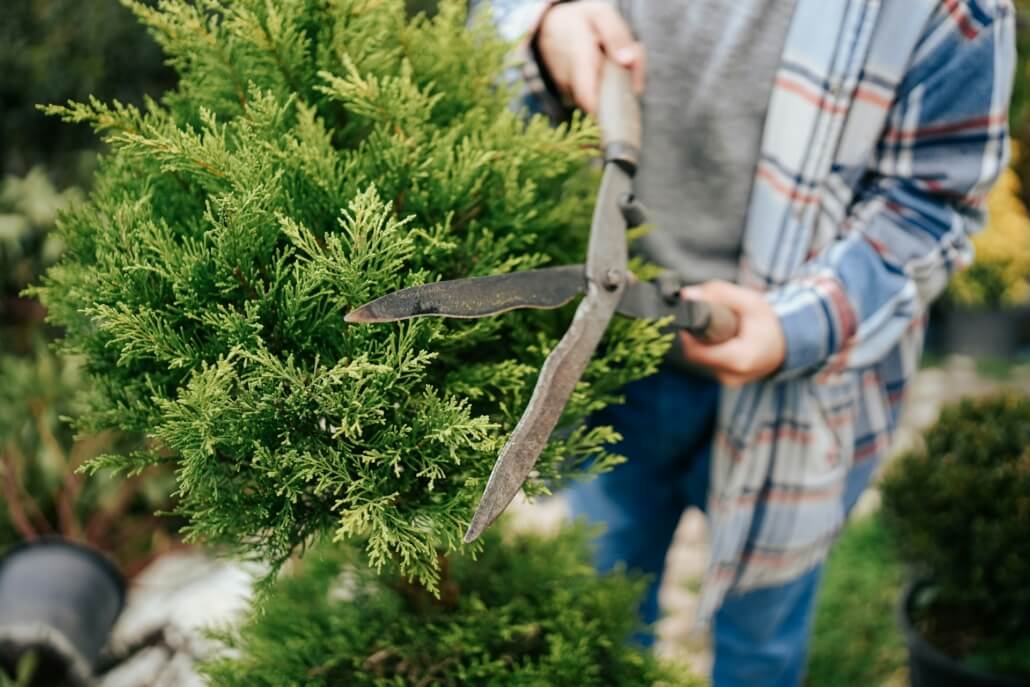
What Tree Shaping Means for Backyards with Limited Light
In tight backyard spaces, especially around Indooroopilly and other parts of Brisbane, sunlight can be hard to find. Buildings, fences, and big leafy trees often leave corners of a garden in shade. That’s when careful tree shaping makes a noticeable difference. It’s not just about tidiness. It’s about letting light through without harming the tree.
As we move into autumn, the days shorten, and the sun hangs lower. This makes it easier to notice which parts of your garden struggle with light. Tree shaping helps change that. By trimming in just the right way, we can manage how branches grow, how wide a canopy spreads, and how much of your yard stays shaded. When done right, it improves the whole feel of a garden without removing the natural cover you still want to keep.
Understanding Limited Light in Backyard Spaces
Backyards in Brisbane often have a lot to deal with when it comes to natural light. Tall fences, sheds, neighbouring houses, and established trees all play a part. When several of these exist together, light can shrink down to a few hours a day in some parts of the yard.
Low light shows up in a few common ways:
- Grass thins out or turns patchy
- Flowers and small plants lean toward any available light
- Moss or mildew forms on compacted soil, fences, or shaded paving
Autumn is actually a good time to take stock of this. As temperatures ease and leaves begin to fall, the shape of your trees becomes easier to see. With winter just around the corner, pruning now gives your trees time to adjust before the drop in growth. It also helps let more light into the garden during those cooler, shorter days.
What Tree Shaping Actually Does
Tree shaping is quite different to general pruning. It’s more focused and thoughtful. We’re not just removing extra growth. We’re guiding how the tree looks and behaves in the space it’s in.
This often involves:
- Adjusting branch angles to direct light or growth away from sensitive areas
- Lifting the lower canopy to let in more air and sun underneath
- Thinning out dense sections without overcutting
The aim is to keep the tree healthy while helping the garden below. This might mean shortening a branch that blocks morning light or encouraging upward growth in one part while holding back sideways spread in another. Done with care, the tree stays strong and the rest of the garden breathes a little easier.
Best Practices for Managing Shade with Tree Growth
In smaller gardens, every bit of space counts. So when thinking about how to adjust tree growth, it helps to look at the bigger picture first.
- Tackle trees closest to frequently used spaces like patios or paths
- Look at which trees shade the garden most and plan from there
- Select shaping methods based on species, some trees respond better to soft shaping while others recover quickly from heavier trims
One mistake that’s easy to make is over-thinning. This strips the tree too much and can create patches of sharp light that stress the ground plants even more. Good shaping avoids harsh shifts and keeps the green canopy feeling balanced. Small cuts made in the right places often do more good than heavy-handed chopping.
When you consider which trees affect your space most, you may find it useful to walk the yard at different times of the day. Take note of shaded spots in the morning, midday, and late afternoon. This gives a clearer picture of how and when shade falls, so you can focus on the changes that matter most.
Once you identify the right trees for shaping, keep in mind that tree health matters. It’s always best to avoid removing more than a third of living branches in one season. Keeping track of regular shaping also allows you to intervene early if a tree needs support after a storm or strong winds. Trees that are shaped carefully are less likely to break in bad weather.
Working with Structures and Shared Boundaries
Suburban yards often come with tight sides, fences, sheds, and neighbours close by. Trees naturally lean into open space, which can mean they reach over lawns or into your neighbour’s area if left unchecked.
Shaping around buildings and shared property lines takes some extra attention:
- Be careful with trees right on boundaries, balance is key to avoid future problems
- Soften shapes to preserve some privacy while still allowing better light flow
- Identify branches that lean due to earlier trimming, then reshape slowly over time for better growth direction
We try to avoid making big sudden cuts that could shock the tree or make it lean in a new direction too quickly. With the right tools and timing, trees can be reshaped bit by bit, helping the whole space feel more open and lighter without giving up the shade where it’s wanted.
If a tree is right on a fence line, shaping can give both homeowners a little more space and light. Talking with neighbours first can make the process smoother and keep everyone happy. It also helps to check property lines and make sure any shaping stays on your side, unless you’ve agreed together to change shared trees.
Trees next to sheds or garages may need more precise shaping. Branches touching roofs could drop leaves and invite pests, while also blocking gutters and drains. Lifting low branches and keeping them clear can save trouble later, so it’s worth planning ahead.
How Shaped Trees Help the Rest of the Garden Thrive
Once trees are shaped to allow more light in, the rest of the garden tends to pick up. Even just an extra hour of sun on bare soil or a lawn can make a difference.
- Lawns often grow better and stay fuller across more of the yard
- Flowers and vegetables planted along fences or walls can finally stretch out to full size
- Air moves better too, helping lower moisture build-up and lowering the risk of mould or insect pests hiding in dark patches
There’s also the practical side. Shaped trees are often better spaced from decks, paved paths, and garden beds. Without low-hanging branches in the way, trimming grass and keeping the place neat gets easier. Regular shaping also avoids those awkward growth patterns that can lead to tree weight tipping unevenly or branches cracking during storms.
Aerating the garden with more sunlight usually means you can grow a wider range of plants as well. Some plants need dappled light, while others thrive in direct sunlight. Shaping lets you design small patches of each, creating a more interesting and lively garden. You may even find that ground covers and borders spread faster after just a season of improved light.
TPS Tree Services uses a range of tools and methods for safe tree shaping, ensuring every backyard in Brisbane is left brighter and easier to manage. We help select the right approach for different species, from soft shaping of ornamentals to safe reductions of large canopies.
A Well-Shaped Garden Feels More Open Year-Round
Tree shaping does more than just tidy up your trees. It changes how your whole yard feels. Suddenly there’s more sky visible, more warmth coming into areas that used to sit in shade, and more room to enjoy the outdoors.
Even a few well-timed cuts in the right places help open things up. We aim to shape in a way that works year-round, not just for one season. When space and light are limited, smart tree shaping lets your backyard show its best side more often, no matter the weather.
When your backyard in Brisbane feels smaller or darker than it should, we help you rethink the way your trees are shaped. The right adjustments can open up light and space, allowing your entire garden to thrive while keeping the shade where it matters most. We take time to assess each tree, the layout of your yard, and how to create a more balanced outdoor area through expert tree shaping. At TPS Tree Services, we manage the process from the initial plan to the final touch. Give us a call to get started.