Palm Tree Trimming

When Palm Tree Trimming Makes Sense in Brisbane Gardens

Palm trees are part of the garden identity for many homes across Brisbane. Their height, shape, and clean trunks offer a tidy visual, but they come with maintenance needs like any other tree. By late autumn, we often spot signs that a bit of touch-up could help, dead fronds starting to droop or heavy seed pods forming just above eye level.

This is where palm tree trimming can make the biggest difference. It’s not just about making the garden look nice for visitors, but about keeping things safe and manageable. Trimming at the right time makes the rest of the year smoother, avoiding garden messes and reducing safety risks that often go unnoticed until it’s too late.

Recognising the Right Time to Trim Palm Trees

Trimming palms near the end of May feels well-timed if you’re in Brisbane. The weather is cooler, and growth is slowing down. Without the fast leaf shoots that come during spring and summer, it’s easier to spot what needs to be removed now. Plus, the work is less likely to disturb wildlife or nesting birds.

Here are a few visual signs to look out for:

  • Drooping or dry fronds that hang lower than usual
  • Clumps of seed pods that are heavy or starting to scatter across the ground
  • A general increase in debris around the base of the tree

This period right before winter takes full hold is gentle on both the tree and the garden, making it safer for trimming. We find it’s easier to work without high winds or wet soil underfoot, which helps prevent other damage during the process.

What Happens If Palm Trees Are Left Untouched

Palm trees that are never trimmed begin causing slow, quiet problems. They rarely yell for attention. Instead, they drop leaves that pile up in garden corners or catch in guttering. If seed pods split open, they’re quick to clutter up footpaths and walkways, especially after a bit of wind or overnight rain.

Some issues we often see from palms that haven’t been maintained include:

  • Dead fronds falling onto roofs, knocking tiles or sitting in gutters
  • Sharp points from seeds or dried fronds making foot traffic unpleasant
  • Palms leaning or becoming root-heavy around pathways, fences, or driveways

The longer these problems sit, the more other parts of the yard start to suffer. And it’s easy to lose the clean, open look a maintained garden has. Trimming helps hold the line before things spiral into repair territory.

What Goes into a Proper Trimming Job

Palm tree trimming is more than just cutting off a few leaves. Done carelessly, it can cause damage to the trunk or stress the tree. Timing, basic hygiene, and the right cut placement all matter.

Here’s what a focused trimming job takes:

  • Cutting just above the natural leaf base without digging into the trunk
  • Removing spent fronds, seed pods, and flower stalks without leaving jagged edges
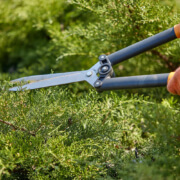
  • Using tools suited for the height and type of palm to avoid breakage or scarring

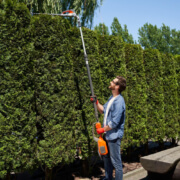
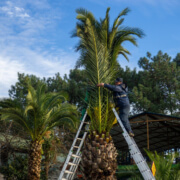
Taller palms come with their own challenges. Not every job can be done safely from the ground, and working near powerlines or above a roof always calls for care. It’s rarely a once-over job and often takes a bit more attention than people expect.

TPS Tree Services uses professional equipment and safety methods for every palm trimming service. Our trained crew removes all debris, checks for pests around the trunk, and leaves your site neat and safe for garden use.

Keeping Your Garden Easier to Manage Year-Round

A trimmed palm tends to behave better over the following months. You’ll notice fewer leaf drops through winter, and the cleanup around the yard becomes lighter and quicker. We’ve seen gardens go most of the cool season without needing more than the usual rake and sweep.

Benefits of trimming now often show up across other parts of the garden:

  • Less clutter in drains and garden beds from dropped debris
  • Better airflow and light reaching plants that may have been shaded too long
  • Easier mowing and garden path use without palm debris in the way

Once spring arrives, trimmed palms don’t shoot out growth in every direction. Instead, they grow from a cleaner, more stable base, leading to better shape and less rework later in the year.

How Trimming Fits into a Larger Garden Plan

Garden care isn’t one big job but a mix of small, timely ones through the season. Checking your palms now fits into the general rhythm most Brisbane gardens need during late autumn. It’s the same time we usually look at gutter cleaning, checking fences after summer growth, or pruning back hedges before colder days arrive.

Palm trimming fits alongside those tasks to:

  • Prevent problems that affect nearby structures like sheds or rooftops
  • Keep pathways open and reduce outdoor clearing work during wet spells
  • Support a garden layout where each plant and tree is coaxed, not corrected

Taking on a few prep jobs now saves time later and helps the yard look ready rather than rushed when friends or family come by in spring.

A Well-Timed Trim Keeps Things Simple Later

Trimming palms before winter is a small job with a big effect. Waiting too long means working with dense spring growth or clearing out twice the mess. By doing it now, we’re stopping the start of problems, not chasing after the result of them.

In Brisbane, the end of autumn gives us just enough warmth and daylight to get ahead without rushing. Neat palms don’t just look better, they’re easier to manage and less likely to catch us off guard. Planning a tidy-up now keeps things running smoother right through the seasons ahead.

Keeping your Brisbane garden tidy before winter makes all the difference, especially when overgrown greenery starts to take over. By scheduling timely palm tree trimming, you’ll set your yard up for less hassle and encourage healthy growth when the warmer months return. At TPS Tree Services, we take care of every job with attention to detail and make the entire process straightforward. Give us a call so we can organise a garden clean-up that works for you.

Tree Stump Grinders for Small Yards

What to Expect from Tree Stump Grinders for Small Yards

Small yards can be lovely, but they’re not without their own set of headaches. After removing a tree, that leftover stump tends to sit longer than planned, often because many aren’t sure what to do with it. It takes up valuable ground, and when space is tight, every square metre counts. That is where tree stump grinders come in.

Tree stump grinders are machines that chip away a stump until it is well below the surface. If you have never had one used in a small yard, you might wonder how well they work or what kind of mess they leave behind. Knowing what they do, how they work on tighter ground, and what sort of clean-up is needed can make the whole process much smoother.

How Tree Stump Grinders Work in Small Spaces

Grinders come in different sizes. In larger spaces, it might not matter much, but in a smaller yard, the type of machine can make a big difference. Larger industrial machines need wide access and are suited to bigger stumps or open lawns. For narrow spots near fences, garden beds, or patios, smaller hand-guided grinders often give better control with less risk of damage.

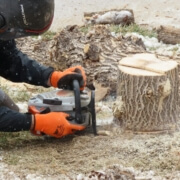
Tree stump grinding does not mean the whole stump is pulled up. Instead, the machine shaves it down bit by bit until it is below ground level. This is different from full removal, which might involve digging a hole and tearing out roots. Grinding keeps nearby plants, pavers, or pipes undisturbed.

Before grinding begins, we make sure the area is clear. This means moving garden furniture, pots, or any nearby tools. If access is tight, it is handy to check gate widths and walkways. We may need space to swing the grinder side to side as it works through the stump, so knowing what is nearby helps prevent any damage.

TPS Tree Services uses modern, compact stump grinders designed for Brisbane gardens, allowing effective removal even in small or tricky layouts. We work with care to make sure all surrounding features, from tiles to sleepers, are left undisturbed.

What to Expect in Terms of Noise, Mess, and Timing

Grinding down a tree stump is not a long job. In most small yards, it can often be done in under an hour, depending on the width and hardness of the wood. It is noisy work. The motor hums and the blades bite fast through the timber, so pets or children may prefer to stay inside until it is done.

After a stump has been ground, what is left behind are wood chips and fine sawdust. These can be raked up and removed, or shifted to a different part of the garden to use as mulch. In a small yard, we usually avoid spreading the mulch nearby because it can crowd out garden beds or attract insects. Most people prefer to have it taken away.

In Brisbane, May offers drier ground and less intense heat, which helps the process run smoother. The soil stays stable under the grinder, so there is less risk of the machine sinking or dragging. Clean-up is easier, as loose chips are quicker to gather on dry ground.

For those wondering about how long the area stays messy, it depends on the clean-up plan. Most of the visible mess is gone when the chips are raked up. Sometimes, a little dust or chip can linger near the work zone, but these are minor compared to leftover stumps that gather weeds and insects season after season.

Common Mistakes to Avoid When Working in Small Yards

Compact spaces call for a bit more planning. One of the most common troubles we see is attempting to grind near walls, fences, or garden features without leaving enough room. The stump may be in a tight corner, and without careful work, nearby surfaces can get scratched or chipped.

Another issue is stopping the job too early. Sometimes, only the upper part of the stump is shaved down, which might look fine for a few weeks. Shallow cuts can allow some stumps to regrow or leave sharp edges that become a trip hazard.

Leaving behind the wood chips can also become a problem. In small areas, they build up quickly and invite ants or termites if forgotten. That is why we recommend a full clean-up, especially when space is limited and every spot needs to stay usable.

Owners sometimes forget to check how deep the stump should be ground down, which leaves a bump just under the surface. This can make mowing or even walking around tricky later on. Being thorough at the start prevents the same spot from causing trouble again in a few months.

Choosing the Right Time and Conditions for Best Results

May is one of the better times of the year in Brisbane to tidy up stumps. The late autumn weather is cooler, and sudden rain is less likely. That means fewer delays and safer working conditions.

Dry soil helps a lot. The grinder stays level, keeping the pressure even as it moves. Wet or soft ground can shift beneath the machine, which not only slows down the job but could lead to uneven grinding. There is less mess too. In drier soil, the chips sit on the surface and clean up much quicker.

Early winter preparation brings other benefits. If left too late, rain can return, and the soil turns muddy. Grinding a stump in mid-winter risks damaging nearby lawns or compacting soil under machines. Dealing with it earlier avoids those problems altogether.

When the stump is ground while the weather is good, the rest of the garden is less likely to get trampled during the work. It also allows for any plans to reseed or replant over the area to move forward without delay. As part of winter prep, getting this job done now leaves more options open for the next few months.

Smarter Spaces Start with Clear Ground

Getting rid of a stump in a small yard clears up more than just space. It removes a hazard, tidies the garden, and makes room for new plans, whether it is paving, planting, or just easing up the mowing routine.

By using the right grinder and working in dry, cooler weather, the job is done without much fuss. It is easier on the soil, the plants, and the people living around it. Planning ahead and knowing what to expect means you do not end up with a half-finished job or bigger trouble come winter. Clearing ground now keeps your space simple and manageable later.

Once the stump is out of the way, your yard feels more open, and regular yard work gets easier. No more steering around old wood with the mower, no stub to cling to fallen leaves, and no new shoots popping up from stubborn roots. Little improvements like this, done at the right time, make the whole yard safer and more welcoming.

Got a stubborn stump crowding your compact garden? Let TPS Tree Services handle it before winter arrives. We specialise in using the right machines for tight spaces, ensuring your paths and plants stay protected while everything remains neat and easy to maintain. Reclaim usable space, improve safety, and prepare your garden for its next chapter with professional help from our team. Call today to get started with tree stump grinders.

Tree Stump Grinding

Do You Need Tree Stump Grinding in Brisbane This Season?

Summer leaves behind more than just warm memories. For many of us in Brisbane, it also leaves behind the bits we didn’t get around to, and tree stumps are often one of them. Now that we’ve hit early May, it’s a good moment to start clearing those stubborn stumps before winter sets in. The ground is drier, the air’s cooler, and the garden’s beginning to rest.

Tree stump grinding in Brisbane tends to fall off the priority list after tree removal, but letting stumps sit can cause minor issues that grow into bigger ones. They make mowing annoying, crowd out garden space, and can start to rot quietly in the background. As things slow down with the cooler weather, it’s worth thinking about what those leftover stumps are doing to your yard.

Why Leftover Tree Stumps Are a Problem

When the heat fades and backyard use drops, tree stumps tend to get overlooked. But the issues they create don’t go away just because we spend less time outside.

  • Tripping becomes more common as grass and leaves pile up and the stump blends in
  • Insects like ants or beetles will settle into the damp wood, spreading into garden beds or nearby walls
  • Old roots left in the ground can stay active, reaching across the yard and disturbing pipes, footpaths, or drains

As trees rest, their old systems underground don’t always stop spreading. And while it might not seem urgent now, the damage from overlooked roots can sneak up later. What looks like a harmless lump today could turn into growing weeds, cracked paving, or drainage trouble next season.

What Tree Stump Grinding Actually Does

Tree stump grinding is not the same as digging out a whole root system. We use machines that break down what’s left of the stump, cutting it below the surface into small wood chips. The grinding is done section by section until the stump is ground low enough that it won’t come back through the soil.

Here’s what that means practically:

  • No large holes from pulling out roots
  • Less risk of damaging nearby garden beds or pipes
  • The leftover wood chips can be cleared, reused in the garden as mulch, or entirely removed

It’s a tidy process and much lighter on the soil than full removal. Once we’re done, the spot can be covered with turf, soil, or ground cover, ready for planting, paving, or just being walked on again.

TPS Tree Services uses professional-grade stump grinders for all Brisbane jobs, taking care to avoid disrupting surrounding landscaping and underground services. We are fully insured and clear all debris after completion, so your space is left ready to use.

When Timing Matters: Why May Is a Good Month for Stump Grinding

May gives us that perfect in-between pause before winter truly slows down outdoor plans. The heavy rains of summer and early autumn have passed, but the cold hasn’t fully settled in.

  • The ground is drier and firmer, which means less mess and more stable conditions while grinding
  • It’s easier to finish up garden work before planting winter veggies or refreshing lawns
  • Any changes made now settle in better without the stress of heat or heavy water

This time of year, tree roots aren’t growing as quickly. That makes grinding more effective long-term since the decay and regrowth slow too. Getting it sorted now stops fresh shoots later and makes space usable again before longer nights and cooler soil slow our yard work.

What to Check Before Hiring Someone

Before getting started with stump grinding, there are a few things worth checking in your yard. Knowing what to expect can save time, help with pricing, and make sure everything goes smoothly.

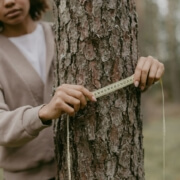
  • Measure the width of the stump and check if it’s close to walls, sheds, or fences
  • Look at how easily equipment might access the area. Narrow gates or steep slopes can limit options
  • Ask about what’s included. Does the service clear all the chips, fully grind below ground, and clean up after?

We always advise people to ask about insurance too. Accidents are rare, but it’s good to know things are covered. The crew should be clear about safety gear, and they should treat your space like it’s their own. A detailed quote and clear expectations before grinding starts go a long way toward avoiding surprises.

Preventing Future Regrowth and Damage

Cutting a stump at surface level doesn’t stop it from coming back. Some tree types will send up new shoots even months later, especially if roots are still thriving under the soil.

  • Grinding deeper makes sure the stump is below the regrowth line
  • Roots become less active without a strong centre, reducing future spread
  • Clearing the stump fully helps with draining and keeps nearby structures safe

If we ignore a leftover stump, it can act like an anchor underground. That can pull moisture toward it and keep the soil around it damp, especially in shady corners. That lingering dampness encourages fungus, breakdown, and problems with other plants nearby. A clean ground helps everything settle, both for the soil and the layout of the yard.

Getting Your Outdoor Space Ready for Winter

Now’s the time when the garden naturally begins to slow, and winter settles in within weeks. It’s cooler work outside, but much easier before the June chill hardens the ground or brings longer stretches of wet weather.

  • Clearing out stumps now frees up space that can be mulched or replanted with tougher winter greens
  • Yard maintenance will be smoother during winter when you’re not tripping over leftover roots
  • The soil holds its shape, and changes made now will still be in place come spring

We often find that once stumps are gone, people end up using the outdoor space more, even on cooler days. Whether they’re laying turf, setting up a small fire pit, or simply making room for cleaner pathways, removing the blockage of an unneeded tree base creates more usable space.

Grinding now does more than finish a job that was half-done in summer. It makes sure the yard is tidy, safe, and ready for months where being outside calls for simplicity and low effort. By thinking ahead through May, we avoid mid-winter work and spend less time fixing problems that can be sorted now. If the stump’s still sitting there, this is the right moment to move on from it.

Ready to create more space and boost safety in your yard before winter arrives? Now is the ideal time to tackle those unsightly stumps. At TPS Tree Services, we help Brisbane homeowners tidy up their outdoor areas and prevent the hassle caused by lingering roots. With the ground still firm and cooler weather on the way, it makes sense to address any outstanding tasks like tree stump grinding in Brisbane. Taking care of it now can save time when you’re ready to refresh your garden. Get in touch with us to discuss your needs and book a convenient time.

Tree Shaping

What Tree Shaping Means for Backyards with Limited Light

In tight backyard spaces, especially around Indooroopilly and other parts of Brisbane, sunlight can be hard to find. Buildings, fences, and big leafy trees often leave corners of a garden in shade. That’s when careful tree shaping makes a noticeable difference. It’s not just about tidiness. It’s about letting light through without harming the tree.

As we move into autumn, the days shorten, and the sun hangs lower. This makes it easier to notice which parts of your garden struggle with light. Tree shaping helps change that. By trimming in just the right way, we can manage how branches grow, how wide a canopy spreads, and how much of your yard stays shaded. When done right, it improves the whole feel of a garden without removing the natural cover you still want to keep.

Understanding Limited Light in Backyard Spaces

Backyards in Brisbane often have a lot to deal with when it comes to natural light. Tall fences, sheds, neighbouring houses, and established trees all play a part. When several of these exist together, light can shrink down to a few hours a day in some parts of the yard.

Low light shows up in a few common ways:

  • Grass thins out or turns patchy
  • Flowers and small plants lean toward any available light
  • Moss or mildew forms on compacted soil, fences, or shaded paving

Autumn is actually a good time to take stock of this. As temperatures ease and leaves begin to fall, the shape of your trees becomes easier to see. With winter just around the corner, pruning now gives your trees time to adjust before the drop in growth. It also helps let more light into the garden during those cooler, shorter days.

What Tree Shaping Actually Does

Tree shaping is quite different to general pruning. It’s more focused and thoughtful. We’re not just removing extra growth. We’re guiding how the tree looks and behaves in the space it’s in.


This often involves:


  • Adjusting branch angles to direct light or growth away from sensitive areas
  • Lifting the lower canopy to let in more air and sun underneath
  • Thinning out dense sections without overcutting


The aim is to keep the tree healthy while helping the garden below. This might mean shortening a branch that blocks morning light or encouraging upward growth in one part while holding back sideways spread in another. Done with care, the tree stays strong and the rest of the garden breathes a little easier.

Best Practices for Managing Shade with Tree Growth

In smaller gardens, every bit of space counts. So when thinking about how to adjust tree growth, it helps to look at the bigger picture first.

  • Tackle trees closest to frequently used spaces like patios or paths
  • Look at which trees shade the garden most and plan from there
  • Select shaping methods based on species, some trees respond better to soft shaping while others recover quickly from heavier trims

One mistake that’s easy to make is over-thinning. This strips the tree too much and can create patches of sharp light that stress the ground plants even more. Good shaping avoids harsh shifts and keeps the green canopy feeling balanced. Small cuts made in the right places often do more good than heavy-handed chopping.

When you consider which trees affect your space most, you may find it useful to walk the yard at different times of the day. Take note of shaded spots in the morning, midday, and late afternoon. This gives a clearer picture of how and when shade falls, so you can focus on the changes that matter most.

Once you identify the right trees for shaping, keep in mind that tree health matters. It’s always best to avoid removing more than a third of living branches in one season. Keeping track of regular shaping also allows you to intervene early if a tree needs support after a storm or strong winds. Trees that are shaped carefully are less likely to break in bad weather.

Working with Structures and Shared Boundaries

Suburban yards often come with tight sides, fences, sheds, and neighbours close by. Trees naturally lean into open space, which can mean they reach over lawns or into your neighbour’s area if left unchecked.

Shaping around buildings and shared property lines takes some extra attention:

  • Be careful with trees right on boundaries, balance is key to avoid future problems
  • Soften shapes to preserve some privacy while still allowing better light flow
  • Identify branches that lean due to earlier trimming, then reshape slowly over time for better growth direction

We try to avoid making big sudden cuts that could shock the tree or make it lean in a new direction too quickly. With the right tools and timing, trees can be reshaped bit by bit, helping the whole space feel more open and lighter without giving up the shade where it’s wanted.

If a tree is right on a fence line, shaping can give both homeowners a little more space and light. Talking with neighbours first can make the process smoother and keep everyone happy. It also helps to check property lines and make sure any shaping stays on your side, unless you’ve agreed together to change shared trees.

Trees next to sheds or garages may need more precise shaping. Branches touching roofs could drop leaves and invite pests, while also blocking gutters and drains. Lifting low branches and keeping them clear can save trouble later, so it’s worth planning ahead.

How Shaped Trees Help the Rest of the Garden Thrive

Once trees are shaped to allow more light in, the rest of the garden tends to pick up. Even just an extra hour of sun on bare soil or a lawn can make a difference.

  • Lawns often grow better and stay fuller across more of the yard
  • Flowers and vegetables planted along fences or walls can finally stretch out to full size
  • Air moves better too, helping lower moisture build-up and lowering the risk of mould or insect pests hiding in dark patches

There’s also the practical side. Shaped trees are often better spaced from decks, paved paths, and garden beds. Without low-hanging branches in the way, trimming grass and keeping the place neat gets easier. Regular shaping also avoids those awkward growth patterns that can lead to tree weight tipping unevenly or branches cracking during storms.

Aerating the garden with more sunlight usually means you can grow a wider range of plants as well. Some plants need dappled light, while others thrive in direct sunlight. Shaping lets you design small patches of each, creating a more interesting and lively garden. You may even find that ground covers and borders spread faster after just a season of improved light.

TPS Tree Services uses a range of tools and methods for safe tree shaping, ensuring every backyard in Brisbane is left brighter and easier to manage. We help select the right approach for different species, from soft shaping of ornamentals to safe reductions of large canopies.

A Well-Shaped Garden Feels More Open Year-Round

Tree shaping does more than just tidy up your trees. It changes how your whole yard feels. Suddenly there’s more sky visible, more warmth coming into areas that used to sit in shade, and more room to enjoy the outdoors.

Even a few well-timed cuts in the right places help open things up. We aim to shape in a way that works year-round, not just for one season. When space and light are limited, smart tree shaping lets your backyard show its best side more often, no matter the weather.

When your backyard in Brisbane feels smaller or darker than it should, we help you rethink the way your trees are shaped. The right adjustments can open up light and space, allowing your entire garden to thrive while keeping the shade where it matters most. We take time to assess each tree, the layout of your yard, and how to create a more balanced outdoor area through expert tree shaping. At TPS Tree Services, we manage the process from the initial plan to the final touch. Give us a call to get started.

Tree Services

A Closer Look at Tree Services in Brisbane Neighbourhoods

Many Brisbane suburbs are built around broad trees that have stood for decades. From mature gums near older homes to newer street trees lining wide pavements, these trees shape how our neighbourhoods look and feel. The start of autumn gives us a quieter patch to take note of what the trees may need now that the wet season is easing off.

Tree services in Brisbane go beyond trimming limbs. The work often means carefully managing root growth, keeping trees balanced, checking for damage after storms, and making sure that both front and back gardens get enough light and air. What each tree requires depends not just on its species but where it’s growing and how the block has developed around it.

Common Tree Challenges in Brisbane Suburbs

Trees across suburbs like Indooroopilly, Taringa, and Toowong see different conditions that affect how they grow. Soil changes quickly from one street to the next. Some blocks are shaded and compact, others are sloped or newly filled. This all changes how trees spread and what kind of care they need.

  • Bigger trees in older suburbs often stand close to homes or over the verge, which means their roots might press against pipes or paths and their branches may hang over roofs or power lines.
  • Newer neighbourhoods that had bulk trees planted for quick cover now deal with trees growing faster than expected. These trees often become too wide or start competing for space within a few years.
  • Some streets have layered planting, with tall trees beside smaller ornamentals. These spots need extra care so one tree doesn’t smother the others or block morning light.

We often notice that local tree behaviour reflects how each suburb has changed. Driveways added later, fences that have shifted, or homes built closer to old established trees all mean extra signs to watch for.

How Street Trees and Backyard Trees Are Treated Differently

Tree care changes depending on where the tree sits on the property. A lemon tree in the back corner needs different work to a tall gum out front.

  • Street trees and those near boundary lines often fall under council guidelines. That means any trimming or removal might need approval, especially if lines or pavements could be affected.
  • Front gardens usually have larger trees left to grow freely, but they can come with risks if branches lean toward footpaths or driveways.
  • Backyard trees are more privately managed but still require checks, especially in smaller blocks where branches can quickly reach across fences or block morning light.

The position of a tree shapes how it grows. Those near fences might lean into spare space or grow unevenly due to shadow. Trees beside buildings may have one side trimmed regularly, making them more likely to twist under weight. We tend to pay close attention to how each tree is reacting to its space, not just what type it is.

Seasonal Timing for Tree Work in Brisbane

Early autumn is a good stretch for checking in with trees. Growth from summer is still visible and manageable, storms have eased off, and cooler days help make heavier work less stressful for both trees and workers.

  • Trees often show hidden strain after a summer of wet weather, with limbs that bulked up or began sagging under water weight.
  • Fungal growth tends to appear as the air cools, especially in dense canopies or around damp soil under low-hanging limbs.
  • Trees that lean or have fast upper growth from summer rainfall can be thinned now, letting light and air move more freely across the yard.

Mild weather helps trees recover from pruning. Healing points on branches close tighter without harsh sun or cold winds interfering. This gives each tree a better chance to go into winter without open cuts or weak tips.

TPS Tree Services provides qualified arborists for all tree services in Brisbane, including expert pruning, storm preparation, and garden maintenance. We use up-to-date equipment and always tidy up garden areas, leaving your property safe and looking good each season.

Benefits of Ongoing Tree Care in Local Areas

When trees are seen to regularly, their benefits stay clear and steady. We notice that yards with year-round pruning are safer, better balanced, and easier to enjoy from season to season.

  • Well-shaped trees guide their own growth better. Left too long, they tend to become lopsided or too heavy in one area, which increases the risk of leaning or breaking in stormy weather.
  • A managed canopy keeps sunlight reaching key spots like lawns, veggie beds, or shaded windows.
  • Clean, structured trees let air circulate better, which makes pests and mould less common in both plants and nearby corners of the home.
  • Regular clearing under and around trees means less risk from dropped branches or hidden obstacles when mowing, walking, or setting up outdoor seating.

Suburbs that focus on consistent tree care tend to look brighter and feel cleaner. Driveways aren’t blocked by dropped limbs. Bushes stay compact. Yards hold their shape across the seasons.

Stronger Suburbs Start with Safer Trees

When trees are given the right attention, they support how a suburb functions day to day. A clear line of sight down a footpath, shade without shadow, block walls that stay crack-free, these small things tie back to how nearby trees are handled.

Regular checks after storm season go a long way toward keeping homes, gardens, and shared spaces usable all year. Many hazards build slowly. Branches dip lower bit by bit, roots swell under grass, or a soft patch of bark splits wider each rainfall. Spotting those signs early in autumn prevents damage from spreading through winter rains.

When we keep watch over how trees behave as they grow, we notice the changes before they become problems. With care that changes through the seasons and focuses on the real needs of every tree, anyone can enjoy a street or garden that feels open, quiet, and safe. Tree work done well lets the rest of the space thrive too.

Overgrown or leaning trees in Brisbane can impact both the safety and appearance of your property, especially after a rainy summer. Regular care suited to your local soil and light conditions keeps your yard balanced and prepared for the new season. Our expert tree services in Brisbane keep your outdoor spaces open and well maintained. Contact TPS Tree Services today to book a time that works for you.

Stump Grinding

How Stump Grinding in Brisbane Prepares for Autumn Work

After a Brisbane summer full of storms, heat, and fast-growing trees, many of us are left facing the untidy remains of overgrown yards. Once the wet season fades, the damage and clutter become a bit clearer. One of the trickier bits to manage early in autumn is dealing with those leftover stumps, the stubborn, grounded reminders of trees removed during or after summer.

Around April, we look for ways to tidy up, make space, and get the garden set for cooler, calmer weather. Stump grinding in Brisbane plays a helpful role here. It clears the ground, smooths out uneven patches, and makes the yard easier to work with moving into autumn projects like planting, mulching, or just preparing the space for winter.

Clearing Space for Autumn Projects

When trees are cut during summer, the job often ends with a stump left sitting in the soil. These stumps take up space and block plans for what comes next on the property.

  • They get in the way of garden beds and new turf
  • Mowing around them takes longer and can damage blades
  • Leftover roots make ground uneven or pile up under the grass

Late summer growth tends to get wild in Brisbane, and our yards need space again by April. When stumps are cleared out properly, it brings back usable ground that’s ready for whatever autumn brings. Whether it’s adding plants, building a path, or laying mulch to hold moisture over winter, freshly opened ground helps make that happen faster and easier.

Making the Yard Safer Before Rain Returns

Even as the days cool off, we know Brisbane can still bring scattered rain through autumn. When stumps are left behind after summer work, they can become more of a hidden risk than most expect.

  • Stumps gather wet leaves and moss, turning slippery as the season rolls on
  • Small pests often settle in soft or rotting wood left above ground
  • Uneven spots cause trips, especially if grass or weeds cover them

This is especially true in shared or open yards where kids, pets, or visitors walk through often. Grinding stumps lowers the chance of someone getting hurt and keeps bugs and animals from using decaying wood as a home. Once those risks are removed, the yard feels cleaner and easier to move through safely.

Supporting Healthy Tree and Plant Growth

Leftover roots and stumps do not stop growing just because the summer storms have ended. In fact, they often compete with other plants for room, sunlight, and moisture, all things that are more limited in autumn.

  • Clearing away old stumps lets younger or smaller plants grow freely
  • Dead or leftover wood crowds airways and holds in damp air, which spreads disease
  • Trimming back leftovers makes more room for light now that the sun sits lower each day

This cleanup is not just about tidiness. When we remove what is no longer helping the soil or garden thrive, we make space for healthier growth during cooler months. The trees, hedges, or grass still in place can stretch without struggling.

TPS Tree Services uses advanced stump grinding machines that handle even deep or awkward stumps. We always clear all wood chips as part of our process, ensuring your garden is left tidy and safe for new projects.

Preventing Root Spread and Hidden Damage

Tree roots do not always stop growing when a tree gets cut. In Brisbane soils, where moisture runs deep after a long summer, roots often keep pushing until something stops them.

  • Deep roots can head straight for underground pipes, paving, or fencing
  • New shoots can grow up months later if the stump is still rooted
  • Wood left underground holds moisture too long, which weakens the soil

By grinding down properly, we deal with much more than what is on the surface. The work stops future damage from creeping in unseen. Removing the stump interrupts that leftover growth and clears the way for better drainage in the coming weeks.

Getting the Yard Winter-Ready

April gives us a short window of mild weather before Brisbane slips into the drier, colder parts of the year. This is the best time to take care of heavy clean-up jobs before the cold slows everything down.

  • Clean, tree-free ground drains better after autumn showers
  • Fewer wood pieces lying around means fewer winter tasks later
  • It is easier to clear leaves and debris when no stumps block the rake

By grinding down what is leftover now, we start the cooler months with a clearer slate. We protect garden beds and paths from damage and give ourselves less to do during the short winter days. There is less need to redo patch jobs later since the hard work is already done.

A Better Base for Autumn and Beyond

We know how quickly the garden shifts between seasons in Brisbane. Clearing out tree stumps at the end of summer helps create steadier ground to build from. Whether we are laying down bark chips, planting cooler-weather plants, or setting up lighting for the winter evenings, it is far easier once the old growth has been dealt with.

Stump grinding is not only about what is being taken away. It is about the space, the breathing room, and the solid base it creates. Autumn is a time for reshaping the yard, getting things tidy again, and making sure the bones of the garden are right. With the heat behind us and cooler months ahead, it is a good moment to settle the space and look ahead to a more manageable winter.

Old stumps can take up valuable space and pose ongoing issues around your Brisbane property, but having them professionally removed opens up opportunities for safer, more attractive gardening. We specialise in more than just clearing away debris, our service helps prevent future hazards and transforms your outdoor space. For reliable stump grinding in Brisbane, contact TPS Tree Services today.

Tree Clearing Services

Understanding Tree Clearing Services for Minor Land Projects

Tree clearing services are often linked with big construction work or wideopen blocks, but they’re just as useful for smaller jobs. Even when you’re only clearing space for a garden shed or an outdoor sitting area, trees can hold things up. The ground may be crowded by roots or shaded too much by overhead branches. Clearing the space first doesn’t mean ripping everything out. It just means planning the work properly and making room to build safely.

In Brisbane, early autumn is often a good time to start this kind of preparation. The ground usually begins to dry out after summer, and the risk of sudden storms drops a bit. March mornings might still be warm, but the cooler change helps make work smoother, especially when digging or managing larger roots. That makes now a practical time to clear trees for minor land works.

Understanding Minor Land Projects and Tree Impact

Not all land jobs are large-scale. Many homeowners need only a bit of space cleared for things like:

  • Extending a driveway
  • Setting up a garden path or paved entertainment area
  • Laying down a concrete pad for water tanks, sheds, or small structures
  • Redesigning garden beds or adding fences

Even these simple plans can be slowed by tree growth. Thick roots can block digging. Overgrown branches might crowd a site or drop debris while work is happening. Trees leaning over fence lines or power connections are an extra risk.

Starting with a plan means you can check how the trees in your yard might affect the job. Removing a tree in full isn’t always needed. Still, not planning ahead can lead to delays or missed details once the project is underway. A few hours early on usually saves a lot of back and forth later.

What Tree Clearing Involves Beyond Cutting

Tree clearing sounds like one big action, but there’s more to it than removing a trunk. A lot of the work happens before and after the tree is moved. For smaller jobs, this matters just as much as the cutting itself.

  • Local rules: Some suburbs need approval before any trees are removed. Knowing which trees are protected saves time and avoids fines.
  • Access: Small yards can be tricky when equipment or people need to get through. We often need to clear extra space or protect what’s nearby.
  • Nearby plants: It’s easy to accidentally damage a good tree if one next to it is cleared without care. Planning how the roots and branches connect helps avoid that.

Once the visible part of a tree is removed, another job begins. Stumps may be too high or too wide for the space that’s being built. Roots left below the surface can keep growing or pull moisture away from new plants. Old root systems might also cause parts of the soil to sink over time. Clearing trees properly includes clearing what’s below.


TPS Tree Services provides insured and experienced crews for all jobs, even for small residential projects. We use modern equipment to access tight spaces and clear trees or roots without damaging nearby plants. Our team can also take care of stump grinding and debris removal after clearing.

Common Problems That Come Up Without Professional Clearing

Trying to rush or skip proper clearing often leads to avoidable problems. We’ve seen a few issues come up often, especially when trees are cleared halfway or without properly checking the land first.

  • Dropped branches: When limbs are cut without a secure plan, they can fall in any direction, hitting roofs, fences, or people below.
  • Ground shifts: Taking out a stump too quickly can lead to sunken soil or uneven paths, especially when the land isn’t filled and packed afterwards.
  • Nearby damage: Roots often reach further than you’d think. Cutting them close to the surface can pull stress toward other trees or damage underground pipes.

These problems aren’t always visible at first. They tend to show up as cracks, leaning plants, or soft patches in the ground weeks later. That’s why even a small land job should start with a clear plan for how trees will be managed.

Autumn Prep: Why March Is a Smart Time to Clear

In Brisbane, March is a shift away from summer heat and early storms. The days start to cool, and soil begins to settle into a more stable state. That makes it a solid choice for preparing small sites.

  • The earth is softer from summer rains, but not soaked like it is during peak storm season. This makes it easier to work around roots or dig stumps out.
  • With fewer storms on the horizon, the risk of unfinished jobs being delayed by rain or wind drops.
  • Cooler weather helps people and equipment handle clearing or lifting jobs more comfortably.

Clearing now also gives plants left behind more time to adjust before winter. Anything new being planted in the cleared space has longer warm days to get settled. It’s a good in-between season for both starting and finishing minor work.

Safer Yards and Smoother Builds with Planned Work

When trees are handled properly, even the smallest land projects go more smoothly. The ground stays balanced, the worksite is open, and there are fewer surprises later. Putting time into planning doesn’t just protect structures. It helps protect other trees, garden beds, and everyone working nearby.

We take care to plan every step of tree clearing so the end result leaves a clear, clean space ready for whatever comes next. Whether that’s a small patio, a new fence, or something else entirely, getting the trees out the right way is the first step toward a job that’s less stressful and more safe all round.

Planning small land upgrades in Brisbane means making sure your site is clear, stable, and ready for work. Tree roots, branches, or stumps left behind can slow down your project or cause issues later. We always assess how every element fits together before starting any new job. To find out how we manage all kinds of tree clearing services, contact TPS Tree Services today.

Tree Clearing Services

What Tree Maintenance Looks Like After a Wet Season

After weeks of heavy rain and wind, gardens across Brisbane can look more wild than well-kept. Trees stretch out fast during a wet season, turning once-tidy yards into tangled patches of green. And when the sun returns, all that extra weight and growth can start causing problems. Branches hang heavy over driveways, limbs crowd out sunlight, and tree roots begin to lift where the ground stayed wet too long.

This is where tree maintenance matters most. Early autumn in Brisbane marks a shift in the weather, cooler but still clear enough to inspect trees before winter settles in. It’s a smart time to check for issues that often go unnoticed after damp weather, from weakened branches to rot just below the bark. Catching these signs now can save a lot of trouble later.

Signs of Storm Stress in Trees

When trees face weeks of rain followed by gusty winds, it’s common for hidden damage to build up. While some problems are easy to spot, others need a closer look.

  • Leaning trees might seem stable at first, but if roots have shifted in the wet ground, they could tip further without warning.
  • Lifted or cracked soil around the base of a tree can show that the roots are no longer holding tight to the earth.
  • Broken limbs may hang freely or be caught in the canopy. These are often hard to see until they fall.
  • Splits along the trunk or major branches usually appear after strong winds meet soft, rain-soaked wood.

Some of the worst storm stress reveals itself slowly. Trees might seem fine early on, but once things dry out, structural faults and weight issues come to the surface. That’s why we always suggest giving trees a full once-over after the wet weather eases off. Being proactive helps prevent problems from growing bigger as the season goes on.

It can be helpful to examine not only the trunks and major limbs but also the smaller branches higher up, which can crack and remain hanging. These weak points can eventually drop, making gardens unsafe especially as more people start using outdoor spaces in autumn. Checking trees thoroughly now stops these accidents and keeps everyone safer at home.

Overgrowth After Prolonged Rain

Brisbane’s wet season fuels quick, thick growth. While that might seem like a bonus for those who love leafy trees, it often leads to crowding. Canopies stretch too wide, low limbs dip straight into footpaths, and taller branches lean into fences or rooftops.

  • Trees grow rapidly in wet months, leaving their shape uneven or top-heavy.
  • Overhanging branches can brush against windows, roofs, and power lines.
  • Thick canopies hold in moisture underneath, which blocks air flow and invites mould or pests.

This kind of growth turns harmless shade into potential damage. When left unchecked, it narrows access around the yard and lets darkness take over spaces that need sun to stay healthy. Managing it now gives your garden better balance before the cooler air settles in.

Some homeowners notice that the lower areas of their gardens stay damp for longer after heavy rain, especially if branches are too close together. Overgrown branches also make it harder to spot any small problems starting on other plants or around fence lines. Keeping tree growth in check lets in more light and creates a more open, usable yard for autumn family activities or barbecues. Addressing this extra growth is important for the long-term health of all the greenery in your garden.

The Role of Seasonal Tree Trimming

Early autumn is a good time to bring structure back to trees that spread too far during summer. The weather is still mild, and the trees have had enough time to recover from the storm season. It’s also easier to spot areas that need attention before dropping leaves hide problems.

  • Cutting away heavy outer growth lightens the tree and helps it stay upright.
  • Trimming now helps trees heal faster before winter dormancy sets in.
  • Removing unwanted branches lets more light reach lawns, plants, and seating areas.

There’s no need to shape trees too harshly. The goal is to remove what’s grown too far or what no longer fits the space. Too much pruning in one go can shock the tree, so we keep the balance focused on both safety and plant health.

This careful trimming keeps trees strong and better equipped to withstand any late-season winds. It can also create gaps in the canopy that let breezes flow through, making the whole garden more comfortable on those warm, sunny autumn afternoons. The extra sunlight helps lawns dry faster, stops moss building up, and encourages the new plants you put in for the season. With a clear view of each branch, it becomes easier to spot anything else that needs fixing, setting your whole outdoor space up for a healthier year.

Tree Health Checks After Wet Weather

Beyond shape and structure, tree maintenance after a wet season includes health checks. Prolonged humidity and soggy soil wear down a tree from the inside out. Some damage begins at root level and rises slowly.

  • Look for signs of decay like soft bark, fungus growth, or visible rot.
  • Cracks or discoloured spots along the trunk could mean internal stress.
  • If the ground stays wet for too long, roots may weaken or start to rot.

It’s not always easy to tell what’s surface level and what runs deeper. If trees have grown in odd twists or lean at sharper angles than before, that’s often worth having looked at by someone with the right tools. Keeping roots strong is just as important as keeping canopies trimmed.

Monitoring changes in leaf colour, growth patterns, or unusual drop of twigs and leaves helps spot trouble early. You might also notice mushrooms or other signs of fungus at the base of a tree, which means the wood could be breaking down out of sight. Addressing these problems now, before winter brings cooler and wetter days, ensures the trees stand up stronger year-round. It also lowers the risk of passing disease between trees and plants across your whole yard.

Getting Your Yard Ready for Autumn

As the wet season ends and gardens start to dry out, there’s an opportunity to clean up what’s been left behind. Clearing under trees is just as helpful as trimming above.

  • Rake away built-up leaf matter and sticks from around tree bases.
  • Make sure soil isn’t holding puddles, which can attract pests or cause root trouble.
  • Use this time to create more space and access before colder weather blocks off outdoor use.

Making a bit of room now also helps reduce fire risk during dry days ahead. Thinner trees let light through and keep air flowing. It’s the little changes at this stage that make yards easier to manage for the rest of the year.

Autumn is a time to take stock of the whole garden. Removing piles of debris helps you see how everything fits together and spot things that need fixing before the next big weather change. It’s also a chance to clear any leftover garden tools or furniture that may have been stored under thick canopies, creating a safer and tidier space for the months ahead. Good airflow helps plants dry after rain, cuts down on mould, and keeps your garden fresh as the days get shorter.

Clearer Trees Make Stronger Gardens

Post-wet season tree maintenance supports the long-term health of outdoor spaces. Trees that are shaped, checked, and cleared sit better in the area and are more stable when winter winds come around. It’s not only about appearance, it’s about safety, light, and how much easier it is to enjoy a yard that isn’t cluttered or at risk of damage.

By acting early in autumn, we make the most of dry days while preparing for the colder months ahead. A little effort now can prevent much bigger problems later. Keeping gardens tidy and secure starts from the top down, and trees are always the first place we look. A bit of planning and action during these weeks helps gardens stay bright, open, and enjoyable all autumn and beyond.

Seeing uneven growth, stress, or signs of decay in your trees after the wet season? Autumn is an ideal time to address issues such as storm damage, overgrowth, and root problems before winter arrives. At TPS Tree Services, we take a practical and careful approach with every yard, beginning with thorough inspections and always focusing on long-term health. To discover how we provide year-round tree maintenance across Brisbane, give us a call today.

Tree Inspection

Should You Schedule a Tree Inspection Before Autumn?

Trees go through quite a bit of change as late summer settles in, especially around Brisbane. Leaves flatten out, branches swell after the heat, and the weight of another season begins to show in ways we often miss. As we edge closer to autumn, it’s a smart time to stop and ask whether your trees are still sound or if they need a closer eye.

Booking a tree inspection now, before the weather turns, gives us a chance to handle small problems before they grow worse. From cracked limbs to weak roots, issues that go unnoticed can lead to trouble once the wind and rain pick up. A good look now can save time, money, and hassle down the road. Taking this step before autumn ensures you’re not left scrambling to deal with sudden problems during windy or stormy conditions.

Why Timing Matters Before Autumn

Late summer often tricks us. The trees still look green, the skies stay mostly clear, and there’s still warmth in the air. But things can change quickly once summer tips into early autumn. Storms come through with stronger winds, wet roots shift in soft soil, and heavy branches that held up through the heat may suddenly give way.

  • Strong winds can bring down limbs that were already weak but looked fine.
  • Damp ground from early rains can weaken roots and cause trees to lean or fall.
  • Branches that extend over driveways or rooftops become risky under weather stress.

The change in seasons is always a time when outdoor spaces need special attention. Many people see only the surface of their trees but might not notice deeper issues until weather forces their hand. We never want to wait until a large limb drops across a path or fence to realise a problem was building. Checking early means we catch these warning signs while it’s still dry and easier to manage. It’s also a way to make sure your gardens and paths are safe before outdoor routines change for the cooler months.

What a Tree Inspection Looks For

When we do a tree inspection, we don’t just look at the leaves. The focus is on the structure, how the tree holds itself together, and the signs it gives us below the surface. A close review can show things that normal gardening tasks might miss, especially after a long, hot summer.

  • We look for splits or rot in the trunk, which can signal weakness deep inside.
  • Cracks near the base, odd bulges, or soil pushed up can suggest root movement.
  • Dead branches, fungus, or leaves that drop too early hint at disease or stress.

Tree health is about more than how the tree looks at a glance. Sometimes issues are hidden where roots meet the earth or high up in the canopy where sunlight has not reached for a while. These checks help spot early signs that might otherwise be hidden. The earlier we find them, the simpler and safer the fix usually is. Every healthy tree has small imperfections, but the ones that pose risk usually show it in subtle ways we’re trained to read.

A good inspection includes a focus on both visible and hidden damage. This often means walking around the tree, feeling for softness at the base, and using simple tools to listen for hollow areas. Subtle cracks or bark that peels away can also be signs of deeper trouble. Even things like mushrooms at the base or patches where grass won’t grow may be a warning. By knowing what to watch for and acting while the weather is still mild, we set up the whole yard for better results through autumn.

Local Considerations for Indooroopilly Gardens

Every garden has its challenges, and in Indooroopilly, we see plenty of them. This part of Brisbane has a mix of old and new planting, with native gums next to fruit trees, hedges, or tall palms that have been growing for decades. Some trees have grown together over years, while others have found their way closer to driveways, sheds, and fences.

  • Fast-growing trees near fences or buildings often develop crowded limbs that reach out too far.
  • Sections of yard with slope or poor drainage can lead to root issues after just a few heavy rains.
  • Shady areas, especially near water tanks or sheds, sometimes hide moss, fungi, or slowly rotting bases.

Many gardens in Indooroopilly are sloped or partly shaded, which adds a layer of complexity. Sometimes large tree roots twist beneath walkways or under fences, making it hard to see when they need attention. There’s also the matter of local council rules. Some trees fall under local protection and can’t be removed without permission. A professional inspection helps keep everything in line with those guidelines while still giving peace of mind that the garden is safe and tidy.

Tree inspections in this area also have to account for wildlife. Trees that are home to birds or possums can need more careful handling, especially near nesting season. Knowing when to prune, trim, or clear branches can protect both the tree and its regular visitors. These local touches make every inspection a bit different and highlight why a one-size-fits-all check doesn’t always work here.

TPS Tree Services provides detailed inspections for all trees, from large native species to backyard fruit trees. Our qualified arborists are trained to notice early warning signs, check for local regulation compliance, and suggest care that matches the age and condition of your trees.

Planning Around Autumn Garden Goals

As the weather cools, many of us start thinking about new plantings or doing a bit of pruning. Before tackling any of that, it helps to know which trees are worth keeping and which might need cutting back or clearing. Autumn is a popular time for fresh mulch, replanting, and giving lawns a refresh after summer, but weak trees and hidden damage can disrupt those plans if left unchecked.

  • Clearing dead or damaged growth early gives new plants sunlight and space.
  • Removing unstable branches now means less mess after the next big wind.
  • A tidy garden heading into autumn stays easier to manage through winter.

Healthy trees can shape the way other plants grow nearby, affecting gardens for the entire season. By inspecting and sorting out tree health before autumn tasks start, it’s easier to set goals for the garden and follow through. We spend less time cleaning up unexpected breaks and more time planning improvements or extensions. It’s also less stressful to handle when we’re not working around soggy soil or weather delays. Getting the timing right means fewer disruptions and smoother progress on any planned garden work.

Proper planning means we avoid extra work and feel good about spending time outside as the weather cools off. Whether you’re planting new seeds, laying fresh beds, or even just planning to enjoy more outdoor meals, having safe, well-checked trees makes every plan go smoothly. Autumn doesn’t have to mean playing catch-up, especially when things are sorted now while the weather works in our favour.

A Better Yard Through Early Action

By getting a tree inspection done ahead of autumn, we give ourselves time to deal with hidden problems before they get bigger. We also make space for whatever comes next, whether that’s new planting or simply having fewer worries when the next storm rolls through.

Well-timed inspections protect more than just trees. They protect homes, fences, cars, and even the simple pleasure of sitting in the garden without needing to look up and wonder. Stormy weather can appear quickly once temperatures drop, but handling issues before then means there’s less risk to property and less worry about damage.

A little early action brings more comfort and calm through the cooler months ahead. Taking steps before the autumn rain arrives turns a regular garden into a safer spot for family, guests, and neighbours. Trees that are sound and well-kept will handle winds and wet soil better. A tidy yard means happier, healthier plants all season long, and it’s always easier to relax knowing you started the season on solid ground.

As autumn approaches in Brisbane, it’s smart to get on top of what’s happening in your yard. Small problems can quickly become bigger when the rain arrives, but we’re here to help. Homeowners across the city trust us for a thorough tree inspection before any issues escalate. At TPS Tree Services, we give everything a careful check and let you know what needs attention. Call now to schedule your inspection and enjoy peace of mind this season.

Tree Experts

What Makes Brisbane Tree Experts Stand Out for Tall Trees

Tall trees can be both a blessing and a burden in Brisbane’s leafy suburbs. They create welcome shade in summer and add character to the streets, but they also need proper care, especially once they start growing into power lines or leaning toward homes. That’s when Brisbane tree experts become more than just a solution, they’re a necessity. There’s a lot that goes into working with tall trees safely and correctly, and not everyone is equipped for the job. With autumn not far off and the last of the summer growth still visible, March is a smart time to check what’s shot up too far and take action before the cooler, wetter season kicks in.

Understanding Tall Tree Challenges in Brisbane

Brisbane’s climate pushes trees to grow quickly. Warm days mixed with long rain periods give everything in the garden a boost, and tall trees aren’t slow to take advantage. While strong growth is great for the street, it can turn into trouble if the tree is left alone too long.

  • Tall trees that stretch too fast can start to lean or become unstable at the roots.
  • In urban areas, it’s common for those upper limbs to brush rooftops, hang over driveways, or edge toward nearby buildings.
  • Growing branches may affect sunlight in parts of the yard, make areas feel closed in, or block airflow through windows.
  • Cracking bark or sag in limbs can signal weakness below the surface, especially after wet weather.

Spotting problems early goes a long way. A simple walk through the yard, looking for limbs that dip too low or trunks that tilt more than they used to, can save trouble later on. Sometimes it might seem everything is fine, but even small changes can become bigger issues if ignored. Noticing the difference between healthy, vibrant growth and branches starting to droop is the first step in protecting your property.

Why Height Requires More Than Just a Ladder

Working with trees that tower over rooftops brings its own risks. Most yard tools and ladders that work for hedges or small trees just aren’t built to keep people safe when handling growth several metres above the ground. Trying anyway can lead to injury or damage, both to people and properties.

  • Tall trees demand specialist gear, not just for reaching the height but to handle unstable branches safely.
  • The area around tall trees can be tight, with roofs, driveways, fencing, or garden beds below that need protection.
  • Trimming tall limbs without the right approach can cause harm to the tree, especially if the branch is bearing weight or pulling one-sided.

It’s not always clear which parts of a tall tree are solid and which are weakened by pests, disease, or old storm damage. That knowledge comes from hands-on experience, not just book learning. Approaching a tall tree carelessly or with the wrong tools can lead to more harm than good. If branches are heavy, brittle, or stretched over a sensitive area, there’s little room for error. Extra caution and the proper techniques help prevent slips or falls and keep the tree healthier in the long run.

Core Qualities That Set True Tree Experts Apart

There’s a big difference between someone who cuts trees and someone who knows how to work with them. The best outcomes come when the job is done by people who understand the trees native to Brisbane and how they behave during different seasons.

  • Local know-how matters, experts who work in Brisbane regularly can recognise the common species and know what to expect from their growth.
  • The way a tree leans, the spread of its branches, or the shape of the trunk can all suggest what might happen the next time strong weather rolls in.
  • A careful, calm approach often means the tree is kept steady and safe while working, avoiding unnecessary cuts or stress.

Brisbane tree experts aren’t just dealing with height. They must keep watch on weather conditions, layout of the property, and nearby hazards that can be affected by falling limbs or swaying branches. It also means staying up to date with local rules and council requirements. Every tree has details only a trained eye can spot, so experience is often the difference between a smoothly completed job and one that leaves a mess behind.

TPS Tree Services is fully insured and experienced in managing tall trees, with qualified arborists who understand the unique challenges of Brisbane’s mature canopies. We use specialised equipment to safely access, trim, and remove even the tallest growth, protecting your property and maintaining tree health.

Seasonal Timing and Tree Health Around March

As March arrives, we’re at the end of summer. Trees have had months of sun and rain to bulk up, and what looked fine in November may now be oversized or wobbly. Planning ahead makes the job cleaner and less stressful.

  • Late summer is one of the best times to assess whether a tall tree is properly shaped or starting to look top-heavy.
  • The leaves are still in place, so it’s easier to judge the weight and direction of each major limb.
  • Tackling the job now usually means less mess, as the weather is still dry enough to get work done efficiently.
  • When winter arrives, wind and rain can turn overgrowth into a hazard. Now’s the time to stay ahead of it.

Some trees begin to thin naturally in early autumn. That’s often when weak spots show up, and it gives us a good chance to fix them while the tree is still responsive to pruning. In Brisbane, where the transition from summer is noticeable, gardens benefit from smart planning and timely cuts. Trees that look well in summer heat might quickly begin to change as the air cools and rainfall slows, and issues can reveal themselves almost overnight.

The Confidence of Calling in the Right Help

Tackling tall trees the right way takes more than clippers and courage. It calls for clear thinking, the right tools, and the steady hands of someone who knows what to look for in a limb, a trunk, or a rooted base. Brisbane homes are often filled with greenery that needs this kind of care, especially the older suburbs where big trees have had decades to spread.

By March, the signs of summer growth are clear to see. There’s nothing wrong with standing back and knowing it’s a job for someone trained to do it safely. Whether it’s a lean that wasn’t there last year or branches that now reach across the yard when they didn’t before, it’s all information we can use to prevent bigger problems down the track.

Calling in someone with real knowledge of Brisbane conditions, and tall tree behaviour in particular, often means fewer surprises when the seasons shift. A smooth, well-timed job can leave your yard safer and your trees stronger without the worry of damage going unnoticed.

When your yard has tall trees that need professional attention, having someone who understands the unique structure and seasonal changes of local trees is important. Our deep knowledge of how quickly conditions shift during this time of year means we’re always prepared. Working with trusted Brisbane tree experts helps keep your garden safe and your trees healthy. At TPS Tree Services, we focus on careful assessment and delivering reliable results. Ready to take the next step? Give us a call today.