
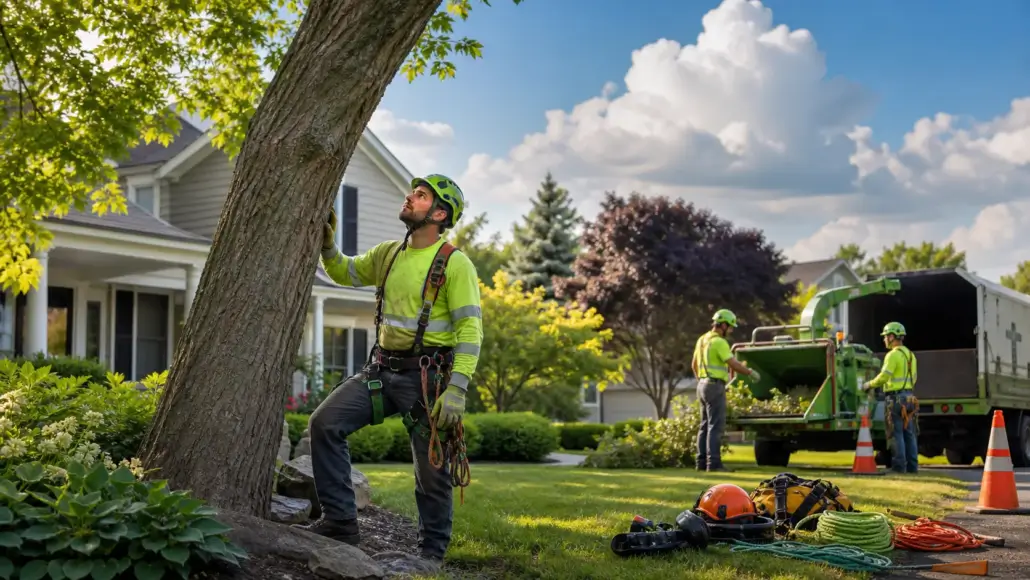
Why Emergency Tree Removal Increases Before Storm Season
By the time October arrives in Brisbane, the shift in weather is easy to feel. Warm, humid days build up quickly, and storm clouds tend to follow not long after. It’s during this stretch into late spring that we see more calls for emergency tree removal. People begin to notice signs they didn’t catch earlier, trees leaning more, bark splitting, branches cracking under new weight.
Some of that damage started during winter. The rest shows up during spring as trees try to grow again. Either way, acting early can be the difference between a peaceful storm season and sudden damage to a fence, roof, or garden. Not every tree gives a clear warning, but once you know what to look for, it’s easier to stay ahead.
Trees That Struggle After Winter
Not all trees bounce back after the cooler months. The signs of stress might be quiet, but they’re there if you slow down and look closely. A few trees may have deadwood hiding beneath the surface, while others develop small cracks along limbs or trunks.
As new growth begins in early spring, weaker trees struggle to keep up. Some tilt more than before. Limbs feel too dry when they should be supple. Trees with shallow roots may visibly shift in the soil after a few days of wind or rain.
We try to check for:
- Brittle or hollow-sounding branches
- Cracks near large limb joints
- Roots exposed or showing movement after rain
These types of changes often point to trees that won’t hold up well once storms begin to roll through.
Why Spring Growth Can Make Trees Weaker
Spring brings energy and life back to trees, but not everything that grows helps with strength. In fact, some new parts add pressure to areas already under strain. Fresh leaves give shape to the canopy, but they also catch wind that would have passed through a bare tree. That added resistance can snap worn limbs during bad weather.
At the same time, sap moves higher in spring, especially quickly in Brisbane’s warm climate. In brittle or cracked trees, that rise can stretch areas already weak from last season. If the bark was split or dry, those cracks can grow quickly.
We often see stronger limbs struggle under:
- Fresh leaf clusters that act like sails in the wind
- Shoots forming close to old wounds
- Signs of sagging under foliage that wasn’t there a few weeks earlier
These extra changes take a toll fast, and if storms come early, there might not be much warning before something gives way. As these conditions build up, it becomes even more important to keep a regular eye on tree health as spring turns to summer.
Common Warning Signs Before Storms
Some signs pop up almost overnight. Others take their time, but we try to spot them before wild weather does the damage. When a storm is only a week out, there’s not always time to fix surroundings safely. That’s why a walk through the garden in September or October goes a long way.
We watch out for:
- Trees leaning sharper than they used to
- Bark pulling away or cracks widening around the trunk
- Ground shifting near the base, or surface roots lifting up
- Branches growing too close to eaves, power lines, or popular footpaths
Catching these signs before storms roll through makes it easier to choose what needs to go and what can stay with help. Sometimes, these warning signs are subtle, and a closer look makes all the difference in preventing trouble as the weather grows more unpredictable.
Safety First: Why Emergency Tree Removal Happens Quickly
By the time a problem tree needs to come down fast, the decision has usually been delayed too long. The risks grow quickly. One branch can bring down roof tiles, smash a window, or hurt someone walking nearby. If it’s near a power line, the danger becomes even more unpredictable.
Emergency tree removal doesn’t happen just to tidy up the view. It happens because something is likely to fall or collapse. Once those risks are spotted, waiting brings damage closer, not further away.
We act quickly when:
- Major cracks run across more than one limb
- Rot shows inside a branch that’s snapped recently
- The tree is within reach of homes, sheds, or walkways
These removals aren’t based on appearance. They’re about what’s likely to happen if nothing is done. A prompt decision can mean safer surroundings, especially when storms are forecasted.
Getting Ready for the Wet and Windy Days
Brisbane’s October weather often brings both heat and sudden downpours. If a tree was already holding on from last year’s growth cycle, it’s under more pressure now. Wet, heavy soil around shallow roots can push trees sideways. At the same time, spring storms hit with sharper gusts than winter ever did.
Removing damaged trees now clears space early. That leaves time for reshaping nearby plants or calming disturbed soil. Gardens recover better when they’re not cleaned up in a rush the day before a stormfront.
It makes a difference to prepare weeks ahead. Waiting until weather warnings are announced makes everything harder. Fewer options, less light, and usually far more mess to clean after. Being proactive gives more space for repairs or garden planning before summer is in full swing.
Staying Ahead of Storm Damage Starts with a Careful Look
Emergency tree removal can feel like a surprise, but most of the time, the warning signs were already there. It just takes a careful walk through the yard to start spotting the trees that didn’t handle winter well, or that spring growth is now pushing out of balance.
Before long, the days will get shorter again and the chance to act comfortably will tighten. Checking now, even for just a few minutes, often gives us all the head start needed to stay on the right side of storm season. Every garden is different, but the goal stays the same: keep the space safe and growing well all year round.
At TPS Tree Services, we monitor how springtime weather in Brisbane can quickly impact tree health and stability. Acting quickly when you notice cracks or root movement helps avoid unexpected hazards. We regularly assist homeowners who face urgent issues caused by unaddressed tree stress. To discuss your concerns or learn more about emergency tree removal, contact our team today.