
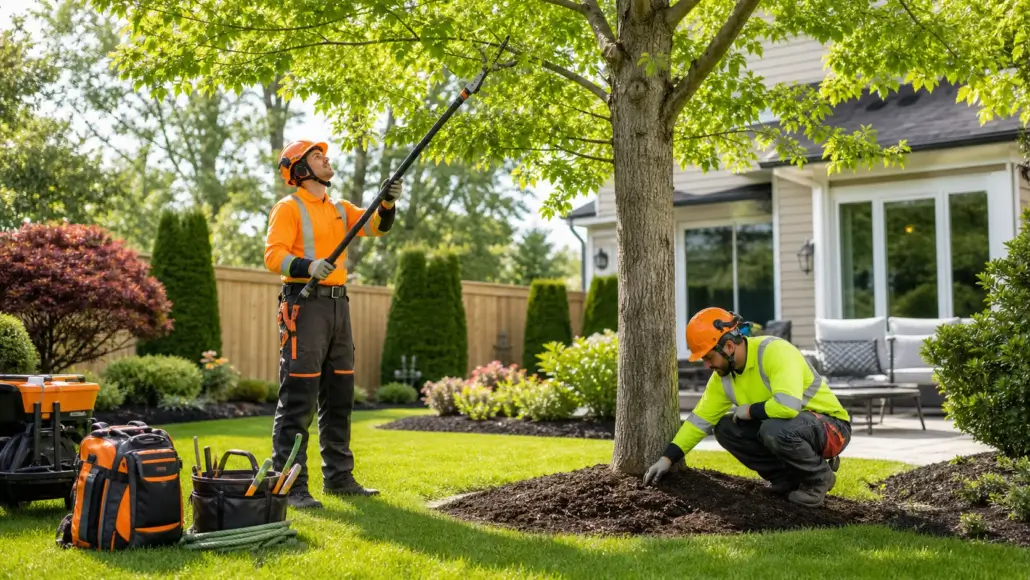
Tree Maintenance You Should Not Skip in Late Spring
Late spring in Brisbane gives gardens a real nudge. The sun sticks around longer, the soil warms up, and trees respond with a burst of growth. It’s easy to get caught up in mowing the lawn or planting new flowers, but keeping up with tree maintenance matters just as much, especially this time of year.
Skipping a few small tasks now could lead to bigger problems once summer storms roll in. Leaning trees, broken branches, and pest outbreaks often trace back to issues that started weeks earlier. That’s why we pay close attention to what trees need in late spring. A little extra care now helps them stay strong through summer and sets them up for year-round health.
Looking after trees in late spring is about more than avoiding trouble. It means giving trees the best chance to grow, adapting to changing weather, and keeping your entire garden happy. When trees flourish, everything around them does better too.
Clear Dead or Damaged Branches Before Summer
As the temperature climbs, trees put more energy into growing new leaves and branches. This fresh growth can quickly cover up trouble spots, making it harder to spot weak or dead limbs.
- Deadwood from winter often goes unnoticed until it starts to sag or snap
- Damaged branches can put more strain on healthy ones during windy weather
- Removing problem limbs early makes the canopy healthier and safer
Sometimes, branches that survived winter become weak by spring, especially after lots of rain and wind. They may not look dangerous right away, but leaving them hanging can cause sudden breaks in a storm. Weak branches can fall onto cars, roofs, fences, or even play areas. Tidying up deadwood also helps sunlight and nutrients reach other healthy parts of the tree.
We’ve found that clearing out this leftover damage before summer arrives gives trees a better chance to grow strong limbs. It reduces the buildup of weight in unsafe spots and helps fresh growth focus where it’s needed. Spotting these risks might take a careful eye, but it saves hassle and avoids unexpected debris during summer gatherings.
Trim Tree Canopies for Better Light and Airflow
A thick canopy might look impressive, but it can limit how much sun and breeze reach the ground below. That can affect other plants and make it easier for mould, pests, or fungus to take hold.
- Trimming back crowded areas opens up space for light to spread
- Improved air movement helps dry out leaves and branches more quickly
- Thinner canopies handle strong summer winds with less risk of breaks
When branches are too packed together, leaves stay wet after rain, making disease more likely. Allowing more space between branches helps cool things down and dries out the tree faster. More sunlight reaching the ground lets grass, flowers, and smaller trees thrive under your canopy.
We aim to keep the shape of the tree natural, not overcut or flat. A balanced trim helps branches grow better and makes the whole tree more resilient. It helps prevent heavy patches that bend or break when the next storm comes. The bonus is a garden that feels airier and lighter, making it more pleasant for outdoor relaxation and gatherings.
Inspect Tree Stability and Root Anchorage
Rain has been common through spring in Brisbane, and some soils don’t drain as well as others. That can make tree roots shift, especially for shallow-rooted types growing near lawns or driveways.
- Watch for tilting trunks or branches leaning in one direction
- Look around the base for cracked soil, exposed roots, or pooling water
- Roots gripping poorly in soaked soil can lead to trees toppling once storms hit
If your tree started straight but suddenly seems off-centre, the roots may be holding less well than before. When soil stays wet for days or weeks, roots loosen, and sometimes start to rot or lose grip. Check for soil pulling away from the trunk or water pooling after a big rain, as these are red flags for trouble.
We step around each tree slowly and look from different angles. It’s not always about what stands out, it’s often about what looks slightly different from last month. Noticing a new lean or change in ground level around the base helps catch problems early, which is much easier than correcting a fallen tree later.
Check for Signs of Early Pest or Disease Activity
With the warmth of late spring, insects and fungi become more active. Left unchecked, they multiply fast and can spread from tree to tree well before you spot major damage.
- Discoloured leaves or curling can be early signs something’s feeding or growing
- Sticky residue on bark often points to sap-sucking insects
- Holes in trunks or branches may signal beetles or borers making themselves at home
Even a few spots of abnormal leaf colour, sticky sap, or stray holes should get your attention. Early signs might only show up on a few small branches but can spread quickly. Small issues can grow larger if not sorted out, especially during the hot and humid summer.
Catching these symptoms now helps stop the spread and prevents long-term damage. We don’t wait for a full outbreak to act, early signs are often the easiest stage to manage. Noticing early means you can keep major problems at bay, helping avoid costly repairs or replacement in months to come.
Plan for Long-Term Tree Health with Strategic Pruning
Late spring gives just enough time for a tree to bounce back before summer hits full swing. When done properly, pruning helps manage weight, shape, and how the tree handles wind or heat.
- Cutting back uneven growth evens out the tree’s canopy and prevents stress points
- Removing crowded limbs supports even nutrient flow through the branches
- Fewer hanging limbs means fewer broken branches during storms
Strategic pruning doesn’t just deal with visible issues but sets your tree up for future success. Even growth on both sides of the trunk helps the tree avoid toppling in high winds. Making sure light can reach all parts helps prevent dull, lifeless patches and gives each branch its best chance to thrive.
We like to think of it as giving the tree some breathing room. A tough summer is easier to handle when the shape is right and extra weight has been cleared. Healthy canopy shape, strong branches, and balanced weight distribution lead to less damage when seasonal weather changes.
Not every tree needs the same amount of pruning. Some just need light shaping, while others with lots of new growth might need a bit more. Understanding each tree’s needs, based on species and location, helps avoid over-pruning or missing important cuts.
Keep Your Trees Strong for the Months Ahead
With high summer heat and windy weather just around the corner, late spring is the best time to take care of tree maintenance. It’s a lot more manageable now than trying to fix problems mid-season.
- Early work prevents rushed or reactive cutting during storm season
- Trimmed and inspected trees are better prepared to stay upright and safe
- Gardens benefit from more light, cleaner air movement, and fewer falling branches
Early attention means you can plan ahead and avoid urgent fixes when storms threaten. By starting in late spring, you give trees time to heal properly after cuts, making them less likely to suffer from split or broken limbs later. Clean, balanced trees support garden beds, lawns, and the spaces where you spend time outdoors. Organised work now means no hurried repairs or patch-ups when things get busy.
Taking the time now keeps gardens safe and looking their best as Brisbane’s summer arrives. It’s a simple step but makes a big impact on garden well-being. Your trees will stay upright, your lawn stays cleaner, and you can enjoy the season with a bit less worry on your shoulders.
At TPS Tree Services, we know Brisbane summers can be unpredictable, which is why late spring is the perfect time for steady upkeep. Clearing dead limbs and shaping healthier canopies now takes the worry out of sudden storm damage later. Your next round of tree maintenance will ensure your trees are safe, balanced, and ready for the season ahead. Give us a call to book an inspection or to find out more.