
How Tree Pruning in Brisbane Affects Flowering Cycles
Flowering plants often respond to their surroundings in quiet but noticeable ways. A small change in light, air, or soil can shift how blooms appear from one season to the next. As we move from late winter into early spring in Brisbane, our focus turns to how trees and garden beds interact. When we trim or shape at the right time, we make space for flowers to build strength and show their best colours.
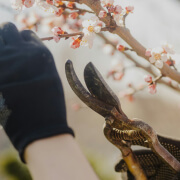
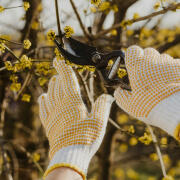
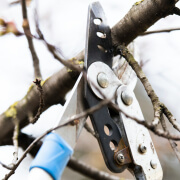
Tree pruning in Brisbane often begins just as buds are forming on many native and introduced plants. This timing matters more than people usually realise. How trees are cut, where those cuts are made, and how much is removed all affect bloom quality in the weeks ahead. Because trees and flowering plants share the same light and space, everything one does can quietly shape the other.
Understanding Flowering Cycles in Brisbane’s Climate
Spring in Brisbane doesn’t wait around. Once winter softens, warm days and longer daylight hours push new growth quickly. Trees start to shoot upwards, while garden plants respond with fresh leaves and flower buds. This early stretch is the lead-in to peak bloom, so timing matters.
Some native trees, like grevilleas and bottlebrushes, begin their bloom cycles just as winter ends. Subtropical shrubs and hedging plants show signs of flower formation around the same time. These cycles rely on dependable changes in sunlight, warmth, and rest time from the cooler months. But they’re also sensitive. If those routines are interrupted by blocked light, dry roots, or sudden shade, blooming gets thrown off.
Interrupted flowering can mean fewer flowers, delayed opening, or even dropped buds. Once that rhythm is off, plants may not fully recover until the next cycle comes in.
How Tree Pruning Affects Light, Air and Moisture
Tree canopies affect more than just what’s directly beneath them. The thicker they grow, the more they can block daily warmth, airflow, and even rainfall from touching the garden.
When we prune in spring, especially early on, we focus on opening dense zones in the tree’s upper layers. This helps in a few ways:
- Sunlight can reach beneath the branches and onto the flower beds below
- Air can move through the plants more steadily, reducing that still dampness that harms buds
- Rain or hose watering hits the soil properly instead of sitting on leaves or bouncing off limbs
Airflow and sun work together to help flowers form strong shapes and long-lasting blooms. Without regular cuts, the balance tips too far. Shade thickens, humidity nestles where it shouldn’t, and flowering plants spend their energy reaching for open space rather than using it to bloom.
The Link Between Pruning Timing and Flower Production
Trimming too late in spring can do more harm than good. By the time mid-spring arrives, most plants have already started setting buds. Taking off large branches at that point means disrupting what nature’s already started.
Early spring is a better window. With cooler mornings and steady sun returning, both trees and shrubs can handle cuts without too much shock. Pruning during this time supports recovery and gives fresh growth space to emerge.
- Cuts heal before summer heat starts
- Buds have time to form without sudden exposure
- Shaped trees don’t drop shade on forming flowers
Spacing out pruning over a few weeks spreads the impact gently. We often start on the sunniest side to help light reach key areas first, then work around over time. Some trees handle trimming better in stages, especially when surrounded by sensitive flowering beds.
Avoiding Stress During Flower-Sensitive Periods
Some homeowners like a neat garden just as spring begins, but heavy-handed pruning can cause plants to react poorly. This is especially true when branches that shade buds are cut all at once.
Sudden brightness, wind exposure, or temperature swings may stress bloom-ready plants. The tips can dry. Buds fold early. Leaves tighten or begin to curl. These signs often appear a week or two after a heavy cut.
We look for ways to keep things steady:
- Avoid deep cuts right near forming flower zones
- Trim gradually, giving each layer of the garden time to adjust
- Watch for changes in leaf shape or bud colour over several days
When pruning is paced, beds can shift slowly into the season rather than being shocked into change. That helps flowering continue smoothly without unnecessary setbacks.
Shaping Trees to Support Ongoing Flower Cycles
Tree shaping isn’t just about cutting back what’s too tall or wide. It’s about setting up long-term space that works year after year. When we shape trees to allow steady light breaks, air channels, and drip zones, flowering plants learn to grow around those patterns.
Too much canopy lean blocks morning or afternoon sun from one end of a garden. Uneven tips bring shade to sections that otherwise bloom best. Over time, flowers adapt by reaching, bending, or even failing to bloom at all.
Regular shaping prevents that. With well-placed cuts each season:
- Branches create a more even spread of shade and sun
- Gaps in the canopy give direct sunlight to different spots during the day
- Tree structure stays balanced, keeping canopy pressure off lower plants
These small structural choices influence flower health more than most expect. Once a routine is in place, we can fine-tune in future years based on how each zone responds.
Helping Trees and Flowers Grow Together
Tree pruning in Brisbane is about more than tidying up tall growth. It shapes how the whole garden grows, especially during early spring when flowering begins. When cuts are timed well, and the approach is guided by light and air needs, blooms respond.
Every space is different. But whether we’re working with low shrubs or tall trees, the idea stays the same. Give plants room to grow, light to stretch, and a rhythm they can return to each season. That’s when trees and flowers not only share space but bring out the best in each other.
When shaded gardens or slow-to-bloom flowers start to impact your outdoor space, our approach helps restore the natural balance. We understand how trees and plants interact through light, timing and structure, so each season brings new opportunities to nurture growth without overshadowing the blooms below. For healthier flowering with expert tree pruning in Brisbane, contact TPS Tree Services to get started.