
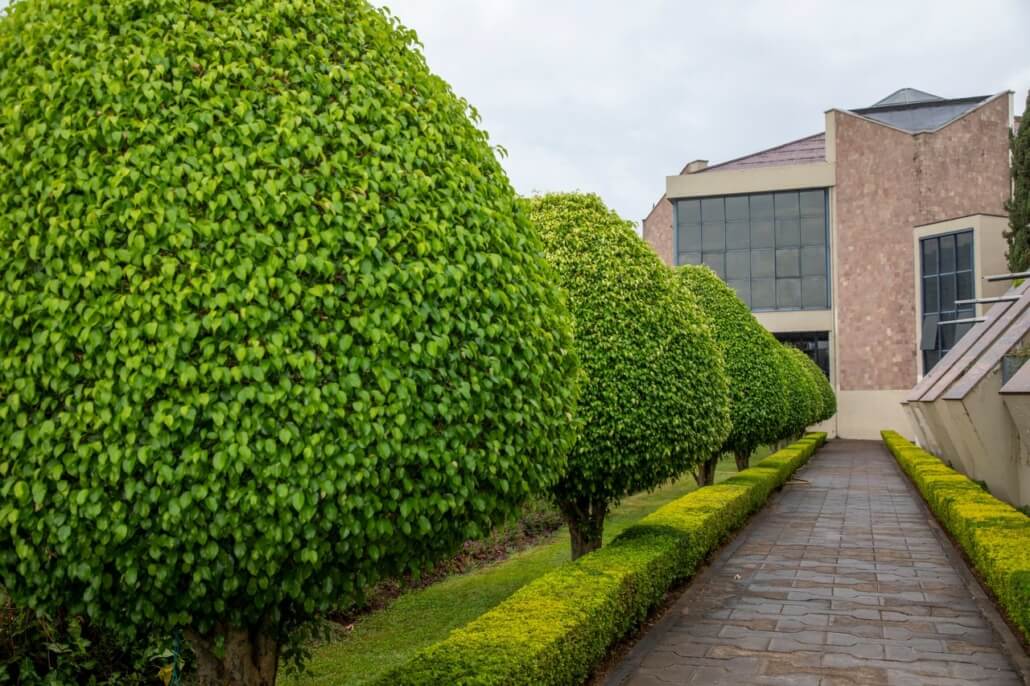
Understanding the Role of Tree Shaping in Windy Areas
Windy places like Brisbane can be tough on trees. Once the gusts pick up, we tend to notice broken branches, leaning trunks, or trees that suddenly do not look so steady. But not every tree reacts the same way. Some grow more stable with time, while others need help. That is where tree shaping comes in.
Tree shaping is not about making trees look tidy. It is mostly about helping them grow stronger and keeping them balanced. By guiding their growth early and managing the way branches form, we help trees hold up when the wind comes through. For areas that face wild summer storms or steady breezes off the coast, shaping becomes much more than a styling choice. It helps protect the tree and anything near it.
How Wind Stress Affects Tree Growth
Strong wind does not always bring instant damage. Often, trees grow into their shape slowly, and the problems do not show until something shifts. As trees develop, the wind pushes against their structure, which causes a few things over time:
- Trees may start to lean, either from uneven weight or shifting support underground
- Branches that grow too long or too wide become more likely to snap
- Soils may loosen near the base, especially after heavy or repeated storms
Some trees adapt better than others. Native species in Brisbane often cope well with wind, while others grown for shade or flowers may need more help. Wind damage might not show right away either. We usually see signs after a storm or notice slow changes like thinning leaves, bark splits, or root lift near the trunk.
Over time, even trees that seem stable can begin to show stress. Once branches begin to weaken or roots start lifting, it can take more than a quick prune to put things back in shape.
Tree Shaping and Its Role in Structural Stability
Shaping goes beyond trimming. It is about helping the tree carry its weight, stay upright, and grow into a form that can cope with strong wind. We start by looking at how the trunk carries weight. If the centre of the tree is not solid, even the strongest branches will not do much good.
We often reduce long limbs to prevent breakage. These limbs tend to act like heavy levers during a wind gust, especially if they grow at odd angles. Keeping weight closer to the trunk gives the tree a better chance of staying together under pressure.
Tree shaping also works down at the root level. A balanced crown encourages deeper and more even root growth. In Brisbane’s wetter late winters, root support becomes even more important, since soft soils can lead to shifts or slow tipping. If a tree leans too much before roots adjust, the issue can lead to long-term danger.
The process of adjusting tree shape and trimming branches does more than protect the main structure. Over time, shaping helps trees recover from wind events by reducing the risk of major splits or limb loss. Even trees known for toughness need a bit of guidance to handle the changeable weather Brisbane receives each year.
Timing Tree Work Before Spring Growth Begins
Late winter is a handy time for this work, especially across Brisbane where the seasons do not bring deep frost but still offer changes in moisture and light. Trees are just starting to prepare for new shoots, and the cuts we make now will help guide how they grow in the weeks ahead.
By shaping before spring, we give trees a head start into healthier growth. Branches will heal more smoothly, and we will not stress the plant by removing too much once it is already putting out new leaves and buds. Wait too long, and we risk removing the energy it has already sent above ground.
The weather itself can shift fast this time of year. Heavy wind and warm days often swap places quickly. Trees that have not had shaping might suddenly stretch out or bend from weight and moisture. We have seen many trees that looked fine in winter start drooping or dropping limbs as the season transitions.
Planning tree work now allows time for careful decisions. It is easier to spot weak points or risky branches before fresh leaves cover up the view. This makes shaping safer and helps trees bounce back quickly when the new growing season begins. We do not want to rush, but waiting until mid-spring often creates new problems as trees try to outgrow the stress they have built up over time.
Preventing Property Hazards Through Better Form
Many trees in Brisbane are planted close to homes, walkways, or fences. While that adds shade and greenery, it leaves property at risk once the wind hits. Tree shaping helps long before the branches start scraping the roof or falling into the neighbour’s yard.
Shapes that focus growth upward, rather than outward, reduce how much pressure trees place on nearby surfaces. For example:
- We cut or shorten branches that point directly at structures
- We steer growth away from footpaths, where a drop could hurt someone
- We support strong central growth to keep roots from lifting fences or walls
It is not just about what drops. A heavy branch dragging across a roof over time can weaken surfaces or create entry points for pests. A tree that leans into a shared fence causes strain and can bring drama once damage is done. Thoughtful shaping helps avoid those risks by training the tree before it grows into them.
A well-shaped tree will sway in the wind, not snap suddenly. This gentler movement puts less pressure on roots and foundations, keeping both the tree and nearby property safer as storms pass through. Over the years, we have noticed that regular shaping means a tidier garden, fewer emergency calls after storms, and a safer space for everything around the tree.
Stronger Trees Start With Smarter Planning
Wind does more than bend trees. It asks them to carry their own weight in a way that lasts. Good shaping supports that from the base all the way to the tips of the branches. We are not just cutting things back for looks. We are helping create steady form, better anchoring, and safer growth into spring.
A shaped tree stands a better chance when strong wind rolls through. By working on structure at the right time, we avoid sudden failures, dangerous breaks, and slow damage that often goes unnoticed. No matter where a tree is planted, good shape gives it a fair chance to stay healthy and strong for years beyond this season.
Trees in Brisbane facing regular wind or already showing signs of strain can benefit from our expertise. We focus on structure, timing, and long-term growth to make sure every tree is prepared for the changing seasons. With the right approach to tree shaping, your outdoor space remains safer and more balanced all year. At TPS Tree Services, we are here to shape trees before stress becomes an issue. Contact us to schedule your next tree check before spring growth arrives.