
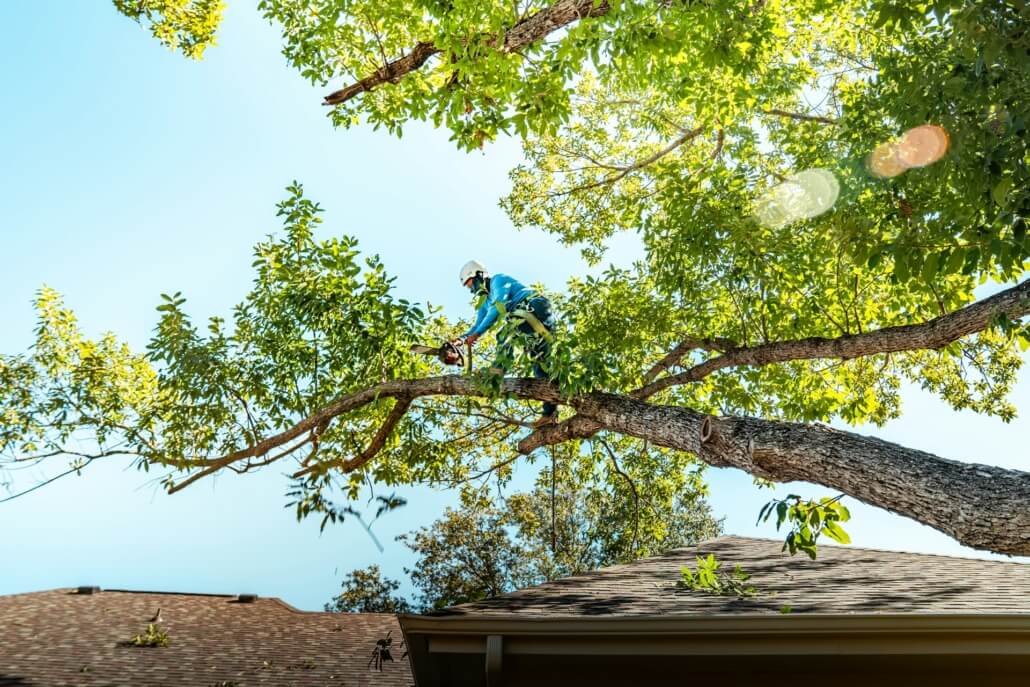
Why Tree Lopping in Capalaba is Safer During Winter
Winter creates different challenges and advantages when it comes to tree care. In places like Capalaba, where weather can shift quickly between dry spells and stormy days, it often makes sense to plan tree work during the colder months. We’ve found that tree lopping in Capalaba tends to be safer and cleaner in winter thanks to the way trees react to the cooler, drier air. With less ground moisture, slower growth, and fewer pests hanging around, the work becomes much more predictable. It’s also a good time to get ahead before spring creates more problems above and below. Here’s why we think winter is a smart time for lopping and shaping, especially when safety and long-term health matter.
Fewer Leaves and Slower Growth Make Trees Easier to Assess
Winter strips back what we can usually see on a tree. That lighter canopy gives us a clear view of the main structure, especially in trees that usually carry heavy leaf growth during warm months. With fewer leaves, it becomes easier to spot damaged branches, rotting limbs, or areas where weight is spread unevenly. These hidden problems often go unnoticed in summer.
- Cuts made in winter are less likely to be buried by fast regrowth.
- Healing tends to work better when trees aren’t putting all their energy into growing new shoots.
- We’re able to assess balance and shape more clearly without distractions from seasonal growth.
Having a simpler view of the tree’s layout lets us work with a steady hand. It helps when our choices for where and how to cut are based on the full structure instead of just tackling what’s visible from the outside. It also means that nothing important escapes attention. Dead wood or weak spots don’t blend into a mass of leaves, so we address much more than what is obvious from the ground in months with heavier canopies.
Safer Ground Conditions for Workers and Equipment
By mid-winter in Capalaba, lawns are usually dry and firm underfoot. That makes a big difference when we’re moving equipment across a yard or climbing up into canopy spaces. Unlike wetter months, winter lets us work with more solid footing, which means lower risk to both property and people.
- Ground stability lowers the chance of equipment sinking or shifting during operation.
- Climbing becomes safer when the base around a tree isn’t soft or slippery.
- Machinery can reach awkward spaces more reliably without bringing in oversized vehicles or platforms.
Access plays a big part in how smooth and safe a job feels. When we’re working near fences, sheds, or powerlines, it helps to know we’re not about to slip or damage a waterlogged lawn with every move. Because the soil holds shape better and gear doesn’t leave deep marks, homeowners don’t end up with ruts or muddy channels. This benefit extends even when the job calls for large branches to be brought down or when we need to drag away waste, as firmer ground helps everyone move freely and keep the area clean.
Less Insect Activity and Fungal Spread
Warmer months invite all kinds of unwanted guests to open cuts on trees. Sap runs faster, wounds stay damp, and beetles or borers get a snack or a place to lay eggs. In winter, it’s a different story. The dip in temperature means most pests slow down and some disappear altogether, dropping the risk of infestations after a trimming job.
- Cold, dry air helps cuts stay clear of fungus and rot.
- Fewer bugs are active, which means less risk to newly cut wood.
- When decay is already present, it’s easier to remove cleanly before wetter months return.
Slowing down what spreads between trees or settles in winter damage can help manage overall tree health without needing harsh treatments or repeated visits. The window of time when insects and fungal spores are less active is especially helpful after pruning, so recently-cut branches seal more safely and new wounds don’t become a target for pests. Since fewer insects are flying in colder weather, the risk lowers even more for rare diseases or wood borers to move tree to tree.
Fewer Disturbances Around the Property
Not many people are sunbathing next to their palms in July. Most homeowners are indoors more, and yards usually stay quieter. That makes this season a smooth fit for tree lopping, especially for trees close to homes, walkways, or outdoor living areas.
- With fewer garden activities, there’s less need to coordinate around daily routines.
- Flower beds and shrubs are often dormant, helping avoid damage during clean-up.
- We can remove and transport material more quickly without weaving around garden furniture or delicate plants.
The pause in outdoor life gives us room to work with fewer disruptions. And you don’t end up with extra garden mess during prime outdoor months. Reduced foot traffic in winter, along with shorter days, means there is a calmness that is hard to match during busier seasons. We can focus fully on the work, moving heavy limbs and wood without needing to pause for children’s playtimes or planned barbecues. The rest of your garden also avoids harm, since inactive plants or sleeping flowerbeds allow moving equipment without much risk of lasting mark or disturbance.
Get Ahead of Spring Growth and Storm Preparation
By taking action now, we’re not just solving today’s problems. We’re thinking about spring when trees snap out of dormancy fast and storms pick up again. Lopping in winter keeps trees leaner, more symmetrical, and less likely to be torn apart by wild weather.
- Weak branches or old limbs can be removed before strong winds return.
- Trees have more time to settle and strengthen before spring pushes out new growth.
- Early shaping makes it easier to manage crowding or sun blockage in the following season.
Spring can catch you off guard if older limbs are left hanging through winter. Putting in work during the slower season gives us space to think longer-term. When trees are thinned and shaped ahead of growth and weather changes, the new shoots that come in are usually stronger, straighter, and more evenly spaced. This helps with sun exposure for lawns and smaller plants below, since early lopping prevents sudden new shade or crowding as growth speeds up. It’s much easier to keep a tidy, manageable canopy if it starts off right while things are dormant and planning is easier.
Safer Trees and a Tidier Yard All Year
When we finish lopping work in the dead of winter, we often find the benefits carry well into the warmer months. Everything stays tidier for longer, and the clean-up doesn’t overlap with high yard use or holiday gatherings. For homeowners in Capalaba, it’s a good way to reduce sudden surprises when summer storms scatter leaves or snap branches.
- The yard stays neater without the fast rebound of spring foliage.
- Early removal of problem limbs helps keep trees steady and balanced.
- Cutting during low-activity periods means fewer headaches later in the year.
It’s not about rushing ahead but making use of a quieter season when the trees, tools, and site are all easier to manage. For those keeping an eye on long-term tree health and safer gardens, winter gives us the right pause to get things done without getting in the way.
Winter is the perfect season to address dense or uneven trees in your Capalaba yard, with stable ground, better visibility, and fewer pests making it safer and more effective to resolve structural issues. At TPS Tree Services, we know that planning ahead with services like tree lopping in Capalaba means less clean-up and healthier, stronger trees when spring arrives. Get in touch with our team to discuss the best timing and solutions for your outdoor space.