
How Stumps Tree Service Supports Tree Regrowth Options
When a tree comes down, the trunk might be gone, but what’s left behind can still shape the future of your yard. It’s easy to overlook a stump, especially when the space feels clearer. But stumps don’t just sit there doing nothing. They can get in the way of planting new trees and changing how your garden takes shape. A proper stumps tree service can help guide what happens next in a much better direction.
In Brisbane, where the growing season picks up quickly after winter, preparing the ground matters. Clearing old stumps the right way gives your new trees a real shot to grow well. If we take the time to manage what’s left behind now, we set the garden up to flourish later.
Understanding What a Tree Stump Leaves Behind
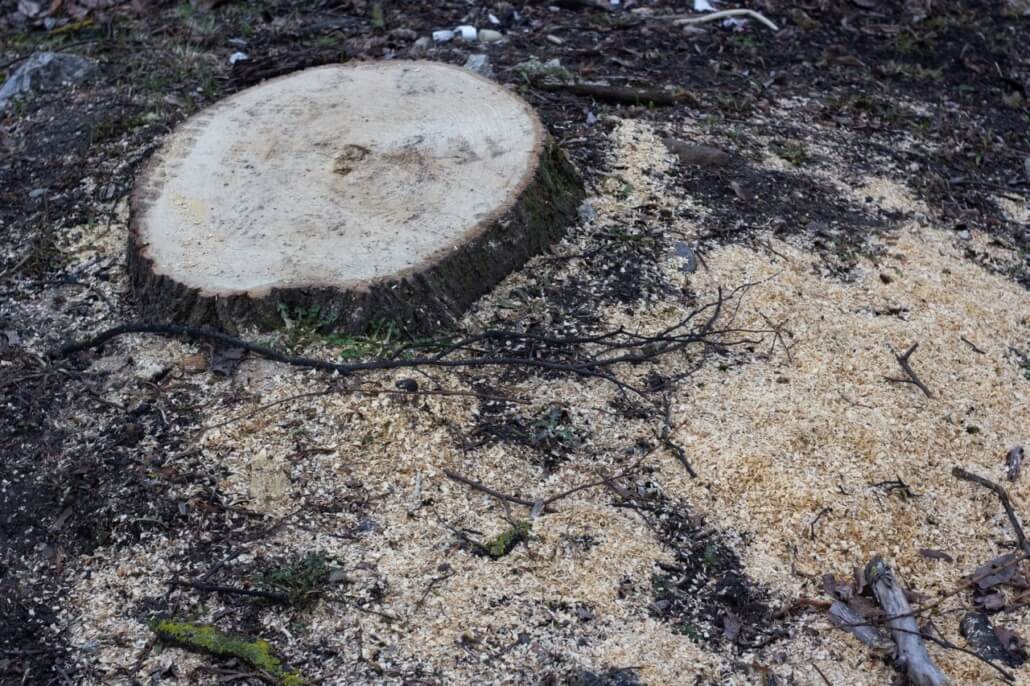
After a tree is removed, the stump left in the ground still has a part to play. It might appear dead, but it can hold onto life in ways we can’t see at first glance. The roots may stay active under the soil for months or even years. Sometimes they try to push out new shoots. Other times, they slowly decay and feed fungi that spread outwards.
- Healthy roots can become invasive, drawing moisture away from nearby plants
- Decaying material from dead stumps often encourages pests like termites and borers
- Large stumps block available space, making it harder to dig or plant in the same spot
All of this limits what we can do in that area. Whether the goal is to replant, level the ground, or create new garden beds, a leftover stump puts a stop to that plan unless it’s dealt with cleanly.
How Tree Removal Shapes the Soil for Regrowth
Taking out a stump does more than just remove the obstacle. It changes how the soil behaves and breathes. When roots are pulled or ground, they shift the make-up of the ground. That might open things up or, depending on the method, leave the soil compacted and tough to work with.
- Stump removal can free up nutrients held in old roots
- Removal that’s done too aggressively can drag out topsoil, which makes it harder for new roots to settle
- Some methods improve airflow underground, helping future plants grow stronger
We’re always thinking ahead. It’s not just about clearing space, but about caring for the soil left behind so the next tree has a healthy place to start. Good removal methods leave a softer, friendlier base that saves effort later when you want to plant again.
The Tools and Methods That Help Support New Growth
How we remove a stump makes a difference. Stump grinding is often a go-to method when the aim is to replant. It breaks down the wood under the surface and allows mulch to mix into the earth. Compared to full removal, which can be messy and deep, grinding keeps things more level.
- Stump grinding lets us break material down into fine chips that blend well into soil
- Full removal pulls out roots, which clears the area completely but often disturbs the soil more
- The right tools can shape the area gently and avoid damage to nearby trees or garden features
We think through the impact on surrounding plants too. If the spot’s too harsh afterwards, it might need time to recover before replanting. But when the job’s done right, the ground is ready for seedlings straight away.
TPS Tree Services uses advanced stump grinders and careful methods to protect your surrounding plants, garden beds, and soil structure. We clear all wood chips and waste, leaving your outdoor space ready for replanting as soon as the job is finished.
Common Problems When Stumps Are Left Untreated
Leaving a stump may seem like a time-saver now, but down the line, it tends to create headaches. Rotting wood isn’t just unpleasant, it becomes a magnet for fungus and bugs. Some of those pests will spread beyond the stump and into the rest of the garden before we know it.
- White ants and other wood eaters love damp, soft stumps and often move on to fences or even homes
- Fungus and root rot can travel underground and affect otherwise healthy plants
- New shoots may try to grow back from stumps, drawing energy away from young trees or shrubs nearby
These problems don’t just affect the immediate area. They change how the whole yard functions. That’s why removing or treating stumps early makes maintenance easier and gives the next layer of growth a better chance.
Helping New Trees Get the Best Start
Once a stump is gone, we still need to think carefully before putting in a new tree. Growth above ground depends on what’s happening below. Roots need space, light soil, and some breathing room to build strength early on.
- Clear out leftover chips or sawdust that might block drainage
- Mix in compost or organic matter to improve soil nutrition
- Allow enough gap between the old spot and the new tree for root spread
We give new trees room so their roots don’t have to fight with debris or dry patches. Even a bit more spacing or patience can stop future problems. It’s all about setting things up for strong, steady growth.
Giving Your Garden Room to Grow Again
Managing a stump after tree removal isn’t just about tidiness. It’s how we protect what comes next. We make it easier to replant, to design a new layout, or just keep the area safe and pest-free. The groundwork we do below makes all the difference in what grows smoothly above.
By clearing stumps the right way and preparing the area beneath the surface, we give new trees a better start. Not only does it open up space, it resets the soil so the next plant has an easier time settling in. The more we care for the ground now, the stronger the reward we see when spring takes hold.
Preparing your garden for new growth means addressing what’s beneath the surface. Old roots and leftover wood can disrupt drainage, take up valuable space, and compete with new plantings. By organising a proper stumps tree service, you give your soil the best opportunity to recover and support future planting. At TPS Tree Services, we clear the way so your next tree has the space it needs to thrive. Give us a call and let’s get your yard ready for what’s next.