
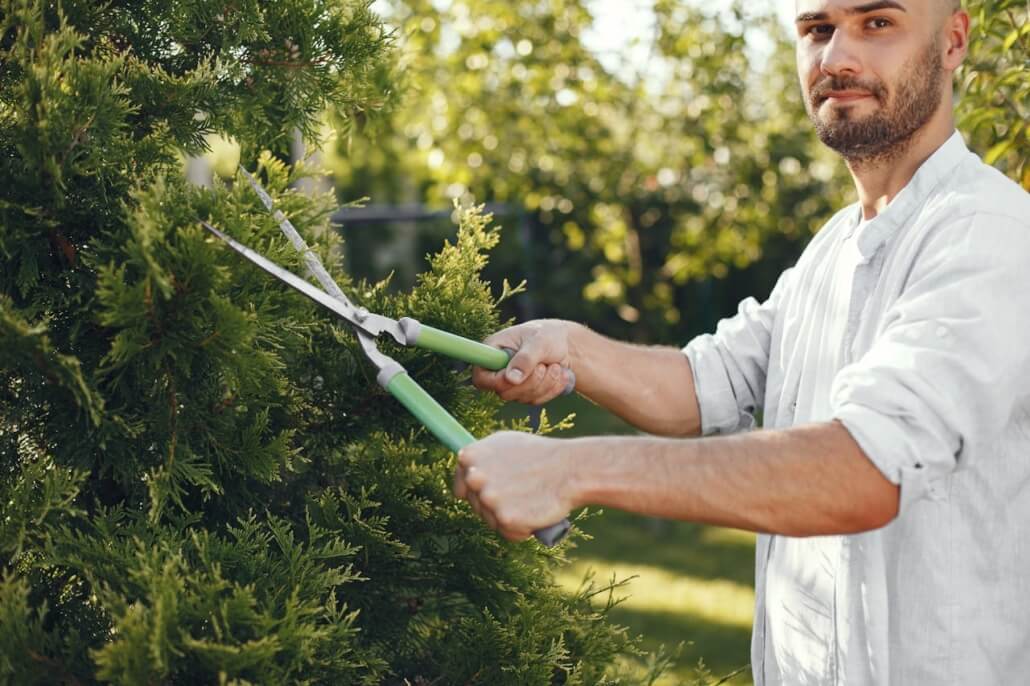
What Tree Maintenance Looks Like After a Wet Season
After weeks of heavy rain and wind, gardens across Brisbane can look more wild than well-kept. Trees stretch out fast during a wet season, turning once-tidy yards into tangled patches of green. And when the sun returns, all that extra weight and growth can start causing problems. Branches hang heavy over driveways, limbs crowd out sunlight, and tree roots begin to lift where the ground stayed wet too long.
This is where tree maintenance matters most. Early autumn in Brisbane marks a shift in the weather, cooler but still clear enough to inspect trees before winter settles in. It’s a smart time to check for issues that often go unnoticed after damp weather, from weakened branches to rot just below the bark. Catching these signs now can save a lot of trouble later.
Signs of Storm Stress in Trees
When trees face weeks of rain followed by gusty winds, it’s common for hidden damage to build up. While some problems are easy to spot, others need a closer look.
- Leaning trees might seem stable at first, but if roots have shifted in the wet ground, they could tip further without warning.
- Lifted or cracked soil around the base of a tree can show that the roots are no longer holding tight to the earth.
- Broken limbs may hang freely or be caught in the canopy. These are often hard to see until they fall.
- Splits along the trunk or major branches usually appear after strong winds meet soft, rain-soaked wood.
Some of the worst storm stress reveals itself slowly. Trees might seem fine early on, but once things dry out, structural faults and weight issues come to the surface. That’s why we always suggest giving trees a full once-over after the wet weather eases off. Being proactive helps prevent problems from growing bigger as the season goes on.
It can be helpful to examine not only the trunks and major limbs but also the smaller branches higher up, which can crack and remain hanging. These weak points can eventually drop, making gardens unsafe especially as more people start using outdoor spaces in autumn. Checking trees thoroughly now stops these accidents and keeps everyone safer at home.
Overgrowth After Prolonged Rain
Brisbane’s wet season fuels quick, thick growth. While that might seem like a bonus for those who love leafy trees, it often leads to crowding. Canopies stretch too wide, low limbs dip straight into footpaths, and taller branches lean into fences or rooftops.
- Trees grow rapidly in wet months, leaving their shape uneven or top-heavy.
- Overhanging branches can brush against windows, roofs, and power lines.
- Thick canopies hold in moisture underneath, which blocks air flow and invites mould or pests.
This kind of growth turns harmless shade into potential damage. When left unchecked, it narrows access around the yard and lets darkness take over spaces that need sun to stay healthy. Managing it now gives your garden better balance before the cooler air settles in.
Some homeowners notice that the lower areas of their gardens stay damp for longer after heavy rain, especially if branches are too close together. Overgrown branches also make it harder to spot any small problems starting on other plants or around fence lines. Keeping tree growth in check lets in more light and creates a more open, usable yard for autumn family activities or barbecues. Addressing this extra growth is important for the long-term health of all the greenery in your garden.
The Role of Seasonal Tree Trimming
Early autumn is a good time to bring structure back to trees that spread too far during summer. The weather is still mild, and the trees have had enough time to recover from the storm season. It’s also easier to spot areas that need attention before dropping leaves hide problems.
- Cutting away heavy outer growth lightens the tree and helps it stay upright.
- Trimming now helps trees heal faster before winter dormancy sets in.
- Removing unwanted branches lets more light reach lawns, plants, and seating areas.
There’s no need to shape trees too harshly. The goal is to remove what’s grown too far or what no longer fits the space. Too much pruning in one go can shock the tree, so we keep the balance focused on both safety and plant health.
This careful trimming keeps trees strong and better equipped to withstand any late-season winds. It can also create gaps in the canopy that let breezes flow through, making the whole garden more comfortable on those warm, sunny autumn afternoons. The extra sunlight helps lawns dry faster, stops moss building up, and encourages the new plants you put in for the season. With a clear view of each branch, it becomes easier to spot anything else that needs fixing, setting your whole outdoor space up for a healthier year.
Tree Health Checks After Wet Weather
Beyond shape and structure, tree maintenance after a wet season includes health checks. Prolonged humidity and soggy soil wear down a tree from the inside out. Some damage begins at root level and rises slowly.
- Look for signs of decay like soft bark, fungus growth, or visible rot.
- Cracks or discoloured spots along the trunk could mean internal stress.
- If the ground stays wet for too long, roots may weaken or start to rot.
It’s not always easy to tell what’s surface level and what runs deeper. If trees have grown in odd twists or lean at sharper angles than before, that’s often worth having looked at by someone with the right tools. Keeping roots strong is just as important as keeping canopies trimmed.
Monitoring changes in leaf colour, growth patterns, or unusual drop of twigs and leaves helps spot trouble early. You might also notice mushrooms or other signs of fungus at the base of a tree, which means the wood could be breaking down out of sight. Addressing these problems now, before winter brings cooler and wetter days, ensures the trees stand up stronger year-round. It also lowers the risk of passing disease between trees and plants across your whole yard.
Getting Your Yard Ready for Autumn
As the wet season ends and gardens start to dry out, there’s an opportunity to clean up what’s been left behind. Clearing under trees is just as helpful as trimming above.
- Rake away built-up leaf matter and sticks from around tree bases.
- Make sure soil isn’t holding puddles, which can attract pests or cause root trouble.
- Use this time to create more space and access before colder weather blocks off outdoor use.
Making a bit of room now also helps reduce fire risk during dry days ahead. Thinner trees let light through and keep air flowing. It’s the little changes at this stage that make yards easier to manage for the rest of the year.
Autumn is a time to take stock of the whole garden. Removing piles of debris helps you see how everything fits together and spot things that need fixing before the next big weather change. It’s also a chance to clear any leftover garden tools or furniture that may have been stored under thick canopies, creating a safer and tidier space for the months ahead. Good airflow helps plants dry after rain, cuts down on mould, and keeps your garden fresh as the days get shorter.
Clearer Trees Make Stronger Gardens
Post-wet season tree maintenance supports the long-term health of outdoor spaces. Trees that are shaped, checked, and cleared sit better in the area and are more stable when winter winds come around. It’s not only about appearance, it’s about safety, light, and how much easier it is to enjoy a yard that isn’t cluttered or at risk of damage.
By acting early in autumn, we make the most of dry days while preparing for the colder months ahead. A little effort now can prevent much bigger problems later. Keeping gardens tidy and secure starts from the top down, and trees are always the first place we look. A bit of planning and action during these weeks helps gardens stay bright, open, and enjoyable all autumn and beyond.
Seeing uneven growth, stress, or signs of decay in your trees after the wet season? Autumn is an ideal time to address issues such as storm damage, overgrowth, and root problems before winter arrives. At TPS Tree Services, we take a practical and careful approach with every yard, beginning with thorough inspections and always focusing on long-term health. To discover how we provide year-round tree maintenance across Brisbane, give us a call today.