
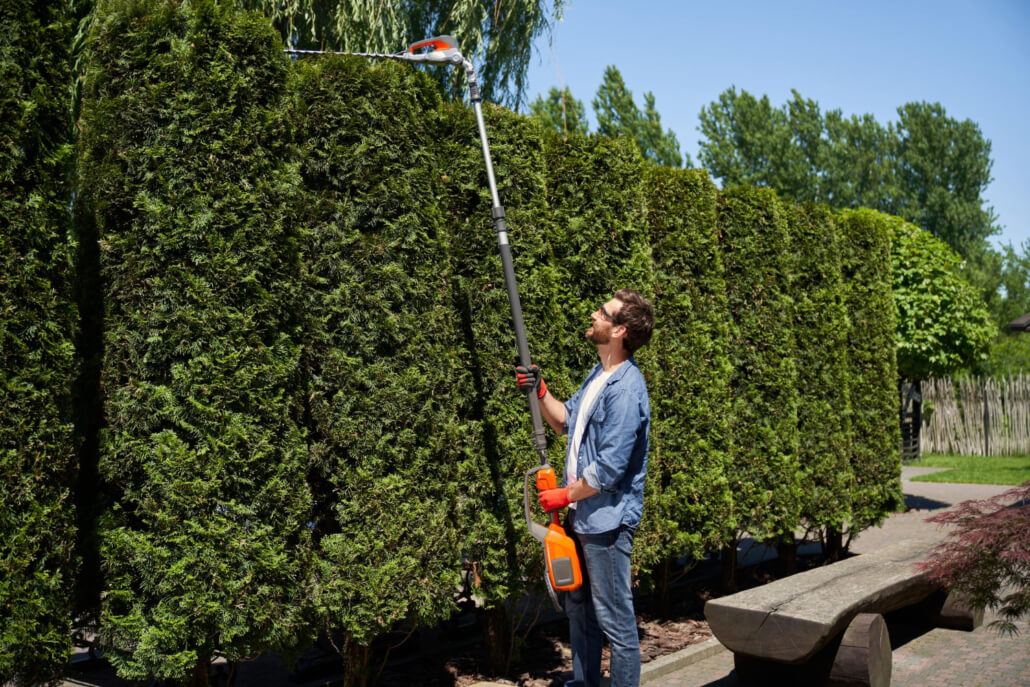
What You Need to Know About Tree Cutting Near Fences
Fences and trees don’t always get along. In older suburbs across Brisbane, it’s not unusual to have large trees growing right along property lines. These trees often need trimming, and sometimes, full removal. But working so close to a fence isn’t simple. There’s more than just branches to think about; roots, neighbours, and boundary rules all come into play.
With winter nearly over and spring on the way, this is a good time to carry out tree work before plants begin pushing out new growth. The ground is still dry, pests are minimal, and the layout of trees is easier to judge with less leaf cover. If you’re planning to cut or remove trees that sit near a fence, knowing what’s allowed and what to look out for can save you trouble later on. Tree cutting services in Brisbane often handle these jobs, but a bit of background knowledge can help you make better choices.
Understanding Tree Boundaries and Property Lines
Before anything goes to the saw, it’s worth understanding where responsibility sits. Trees don’t always grow neatly inside your boundary, and the law doesn’t go by where the trunk stands alone.
- In Brisbane, you can trim branches that hang into your property, but you’re not allowed to go past the boundary without permission.
- Tree roots aren’t so clear-cut. They can creep under fences, push up paving, and weaken posts. Cutting them without knowing how deep or spread out they are can cause trouble.
- Ownership of the tree depends on where the base sits. If the trunk is squarely on your side, you can take action. But if it straddles more than one property, it’s shared, and decisions should be made together.
Understanding the legal side helps prevent disputes and keeps neighbours informed. It also helps avoid needing to redo work if it’s accidentally done outside your rights.
Risks of Cutting Too Close to Fences
Working near fences means there’s no room for error. A falling branch, sawdust spray, or root lift can damage more than just timber. We often come across fences that have already shifted from creeping root systems or previous damage.
- Trimming or cutting branches without enough space can crack fence panels, snap palings, or dent posts. Even a small drop from a height can leave a mark.
- Taking out a tree might suddenly free up space, but that can affect soil movement. If deep roots are supporting the ground near a fence, cutting them may cause it to lean or sag.
- Trees that are removed in the wrong direction may fall towards the fence instead of away from it. That damages the structure and can sour relationships quickly.
The key risk is going too fast without a plan. A mistake near a fence almost always costs extra to fix, especially when it causes conflicts with neighbours or damages shared property lines.
Why Winter Is a Better Time for This Work
Mid to late winter in Brisbane can be a smart time to sort out tree issues near fences. The growing season is still paused, and weather stays more stable leading into early spring.
- Dry ground during this season helps machines move easily and safely without turning yards into mud.
- Trees show their shape clearly, making it easier to choose safe cut points and balance the tree for any trimming.
- With fewer leaves on most species, the job feels lighter and cleaner. Insects like borers and wasps are also less active, so cuts tend to stay protected longer.
Using this natural gap in the growth cycle helps reduce the mess around your garden as well. The work won’t need redoing just weeks later due to new growth hanging over the fence again.
Things We Watch for Before Starting Work
We take time to look at each job from a few angles before making a move. Trees near fences bring more variables than trees standing alone in open space.
- The height and tilt of the tree make a big difference in how we plan the cuts. A tree leaning into a fence might need to be roped and lowered branch by branch, even if it looks small.
- The age and strength of the tree help us work out how it might respond to cuts. An older tree may snap easier under pressure, while a younger one might pull back strongly when trimmed.
- Fence design, materials, and position all come into the plan. We look for gates and strong points where material can be passed through without damage. It helps to plan clean-up routes and loading spots before anything is cut.
If we spot signs of disease or rot during the assessment, we adjust the plan again to make sure the cutting won’t trigger collapse or hidden failures mid-job.
TPS Tree Services use specialised cutting equipment and careful methods to make tree work near fences smoother, reducing risk to panels, posts, and underground services. Our team is fully insured for all fence-side removals and clear all green waste after completion.
Safer Outcomes with the Right Help
Cutting trees near fences doesn’t have to be a headache. With experienced planning and patience, even tight spaces can be handled safely. There’s a real benefit to getting tree work done now before plants start pushing out new shoots and before spring storms test fences again.
- Careful cutting avoids damaging posts, rails, and panels, especially when access is limited.
- Well-timed pruning prevents sudden growth from spilling over into neighbour yards.
- When we plan well in advance, we reduce the need for repeat visits or reactive repairs after the next big weather event.
Jobs like these are easier when they’re timed with the season and carried out with a method, not just a chainsaw. It doesn’t need to be risky or rushed to get a result that lasts through the coming months.
Trees growing close to fences or boundaries require careful timing and expert technique to prevent damage and neighbour disputes. Late winter is the ideal opportunity to manage these concerns before the busy growing season begins. With extensive experience across Brisbane, we know how to trim and maintain trees to keep your property safe and tidy. For help with overhanging branches or troublesome roots, our tree cutting services in Brisbane are here to make the process smooth and worry-free. Contact TPS Tree Services to arrange a visit that suits your schedule.