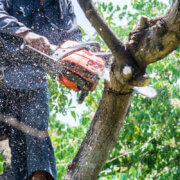

Why You Should Book a Tree Specialist in Winter
Winter in Brisbane feels slower, especially in the garden. Growth pauses, leaves drop, and the air stays dry for longer stretches of time. While most people think it’s a season of rest for trees, it’s actually a smart time to give them a proper check. A tree specialist can pick up on quiet warning signs now, things that might stay hidden once new leaves burst out in spring. Without the rush of fast-growing branches in the way, we get a clearer view of what’s going on from base to canopy.
Booking during the cooler months also makes everything a bit easier. Fewer garden visitors, crisp weather, and dry ground create the right conditions for trimming or shaping without too much disruption. By the time spring sets in, your outdoor space is already sorted, with no urgent clean-ups or branches dropping when you least expect it.
Why Winter Makes Tree Work Simpler
When we walk into a garden in winter, everything is stripped back. The view isn’t blocked with heavy foliage or fast-spreading shoots, so we can see what the tree needs without guesswork. That changes how we work and how much we can fix in one visit.
- Leaf fall opens up the shape and structure, making it easier to spot weak branches, odd lean angles, or signs of disease that might have been covered during warmer months.
- The cooler air and dry conditions slow down sap movement. That means when we make careful pruning cuts, the tree handles the healing quietly without pests or heavy regrowth rushing in straight away.
- Winter dryness in Brisbane helps the ground hold firm underfoot. Loaded equipment or ladders don’t sink or dig up paths as they might during storm season, which keeps lawn damage to a minimum.
There’s a natural pause in plant life now, and that’s exactly why maintenance in this season makes so much sense. Everything from the soil to the canopy works with us, not against us.
Early Signs of Tree Trouble You Might Miss
It’s easy to overlook the quiet signs that a tree is under stress, especially if everything looks green by surface glance. But winter strips that all back, and with the extra visibility, small problems become clearer.
- Leaning trunks might show up more instead of blending into the shape of the garden. A small shift now could mean root trouble below.
- Cracks or peeling bark start to show when there’s no dense growth covering the trunk. These can point to past storm damage or internal rot developing inside the branch.
- Groups of mushrooms or fungi at the base aren’t just weeds, they’re often a signal that something underground isn’t right.
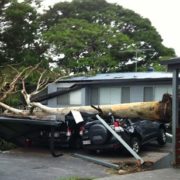
These kinds of signs don’t usually leap out unless you know what to look for. A tree specialist sees the build-up before the failure, which gives you the chance to act early, not rush when damage sets in later.
Safety and Access Are Easier in Winter
No leaves, fewer bugs, and lighter weight up top all shift the balance in favour of a cleaner, safer working zone. It’s not just more convenient, it’s smarter planning if you’re trying to avoid disruption.
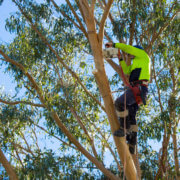
- Canopies are easier to climb around or reach with poles, since there’s less weight overhead and no swarms of bees or bugs around flowering branches.
- Open access makes shaping jobs simpler, especially over driveways or tight back gardens where gaps are narrow. Without heavy fronds or bushy side limbs, we can move gear more freely.
- Most residents spend less time outside in winter, so we’re not hauling tools and waste through busy spaces. It keeps visitor areas tidy, and nobody ends up stepping on gear mid-morning.
When we talk about seasonal work, winter lines up as one of the best times for moving safely around a tree and managing space without getting in anyone’s way.
Making Space for Spring Growth
Every branch we trim or correct in winter is a branch that won’t get out of hand in spring. Cold weather cuts leave room for healthy, balanced growth once the sun swings back in.
- Pruning during slow growth keeps shape intact. Trees don’t fight the cut, new growth responds better because it’s starting from a cleaner base.
- Broken or tired limbs removed now won’t draw in rot or fungus once humidity kicks up again. You get rid of the problem before it creates a knock-on effect.
- Booking work early in the off-season saves you from trying to slot in last-minute jobs later, when wait times stack up and weather starts shifting again.
Planning now keeps garden care on your terms, not dictated by overgrowth or storm season rush. It also helps the overall balance, so your tree gives back more light, cleaner air flow, and a better outline when it kicks into gear again.
What You Gain from a Winter Tree Check
Winter checks don’t just smooth out shape. They help with balance, safety, and long-term health. You might not notice a slow lean now, or a hollow branch above your fence line, but when wind or rain hits in spring, it won’t go unnoticed.
- Even a light trim now means fewer messy fronds, dropped seed pods, or limbs breaking under pressure later.
- Your soil is still firm, and there’s room to work before any humidity returns. That suits everything from clearing to pruning, without trail damage or rushed clean-ups.
- By the time the sun returns and your yard starts getting more attention, it already feels calmer, cleaner, and more under control.
Brisbane’s winter doesn’t last long, but it lines up well with when trees give us their clearest signals. Tuning in now means fewer surprises later and a yard that’s ready to grow without trouble.
Noticing your trees looking off balance or showing signs of wear this winter? Bringing in a qualified tree specialist helps you spot trouble early, before the next storm creates bigger problems. At TPS Tree Services, we assess safety risks, shape your trees for healthy spring growth, and make your yard easier to manage. Let’s get everything sorted before the weather changes again, give us a call today to book your winter inspection.